The antenna catalog
Ham Radio Antennas
A better antenna does more for your range than a better radio. Every antenna here is measured against its own bands, so you can see what the length can actually do rather than what the box claims.
Start here
Match the Connector First
No amount of gain matters if it does not screw onto your radio. SMA-Female and SMA-Male look nearly identical and do not interchange.
| Connector | Typically fits |
|---|---|
| SMA-Female | Baofeng UV-5R and its clones, BTECH, most budget handhelds |
| SMA-Male | Yaesu, Wouxun, TYT, Vertex handhelds |
| BNC | Icom handhelds, scanners, older commercial radios |
| NMO | Vehicle mounts, drilled or magnetic |
| PL-259 / SO-239 | Mobile rigs and base stations |
25 tracked
Handheld Antennas
Screw-on replacements for the stock rubber duck. A handheld has no ground plane worth the name, so length does most of the work here.
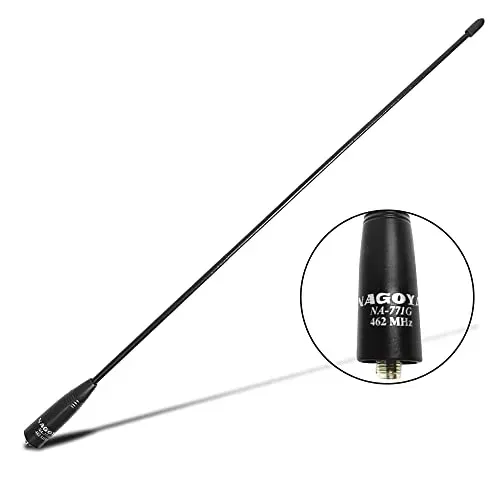
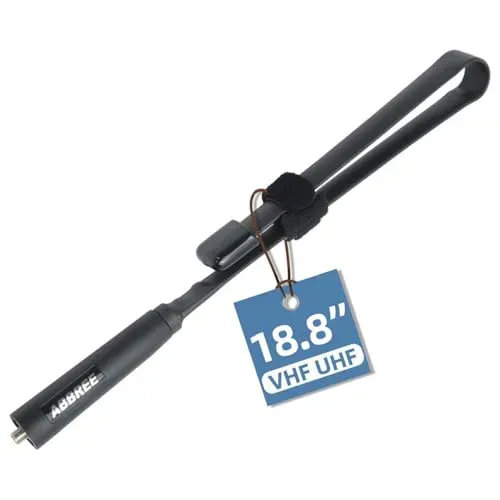
$6.56 · 2.15 dBi · SMA-Female
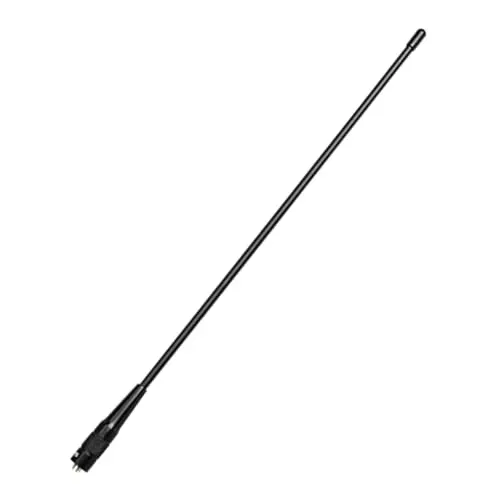
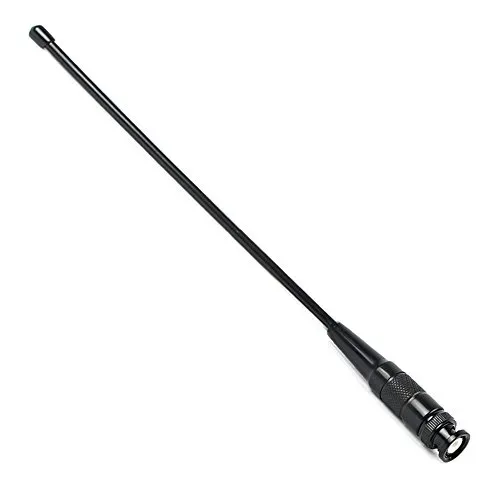
$11.99 · 2.50 dBi · BNC
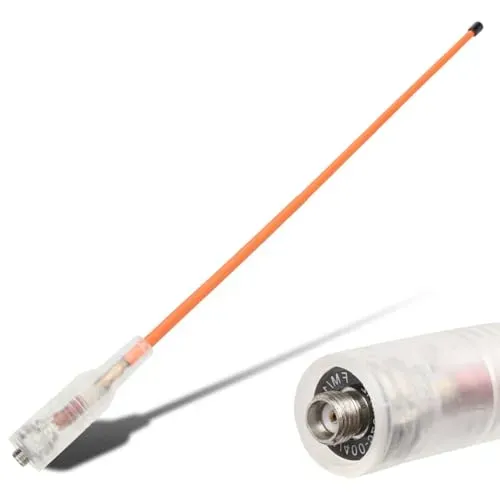
$6.99 · 2.15 dBi · SMA-Female
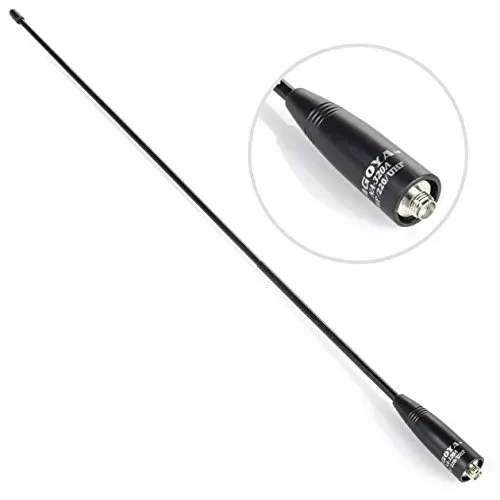
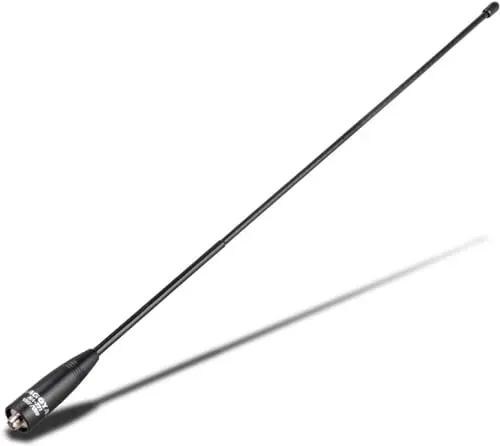
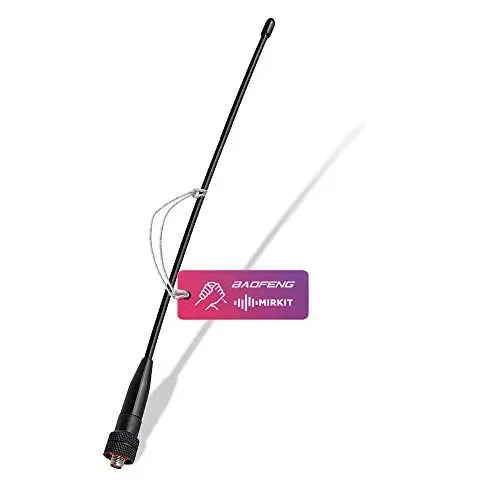
$13.99 · SMA-Female
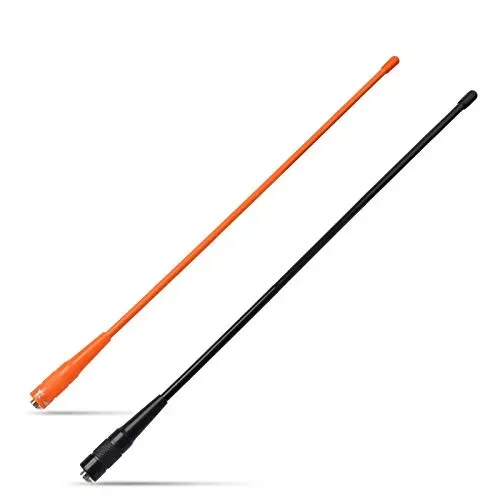
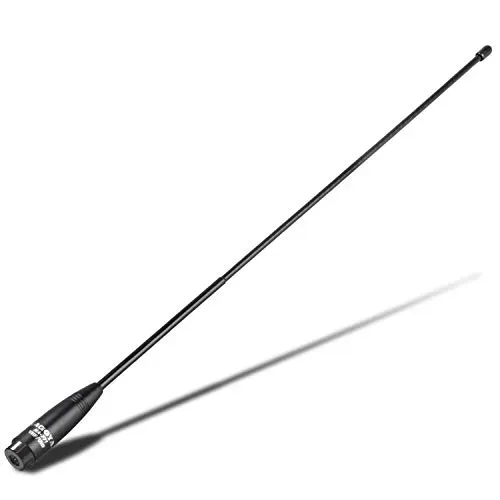
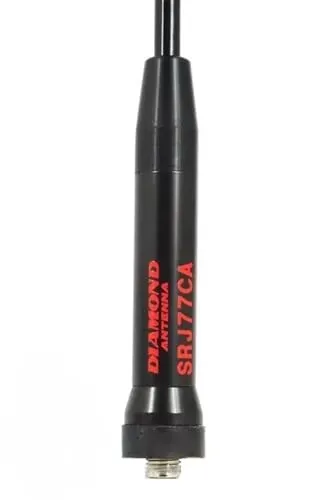
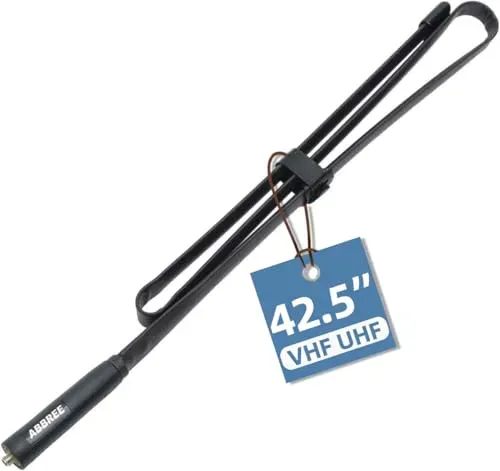
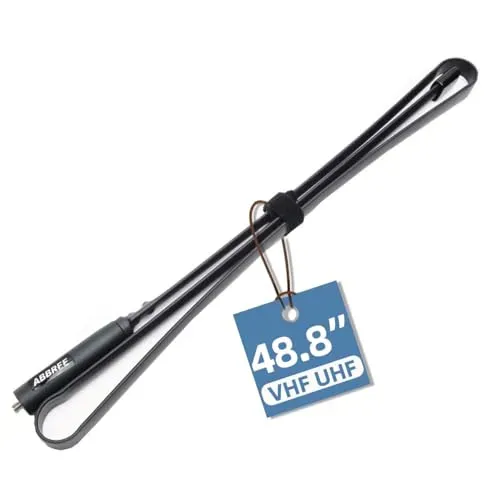
$11.63 · 6.00 dBi · SMA-Female
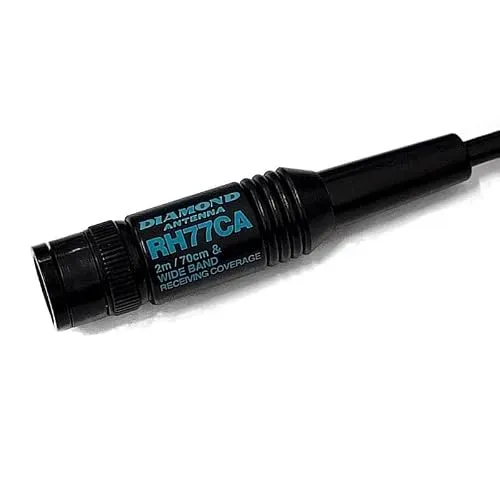
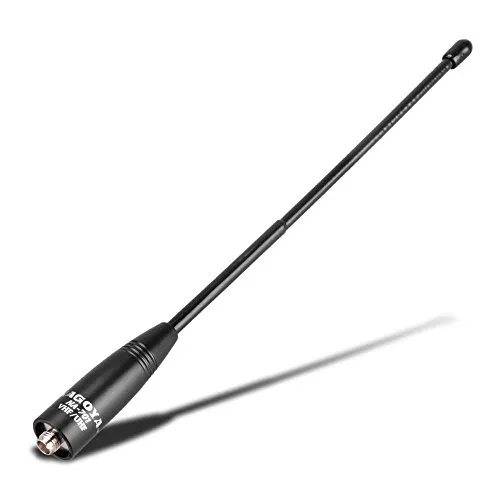
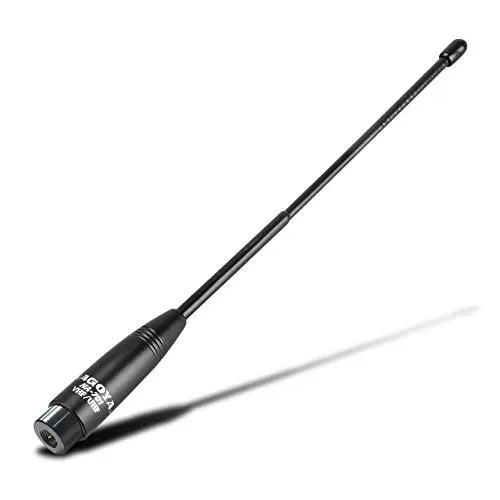
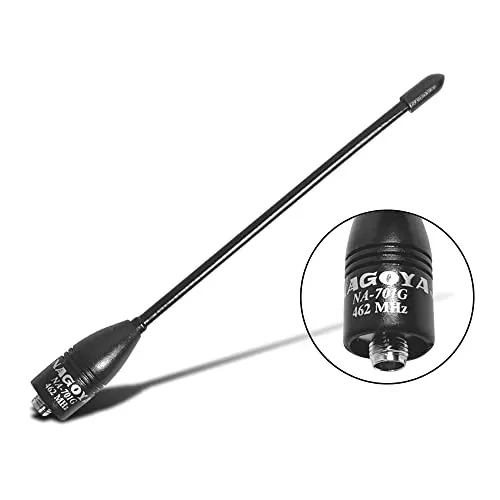
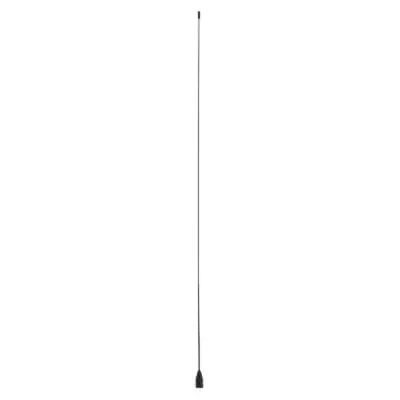
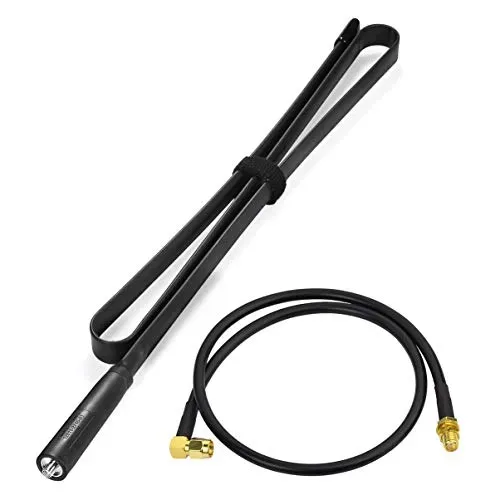
$18.99 · 3.50 dBi · SMA-Female
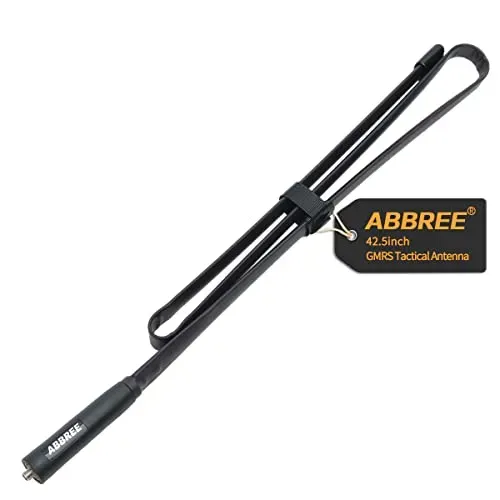
$11.99 · 5.00 dBi · SMA-Female
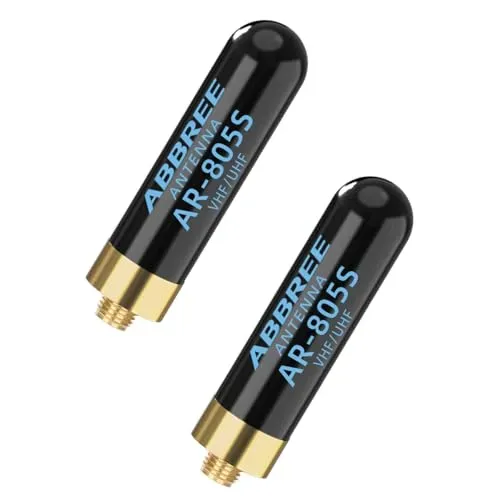
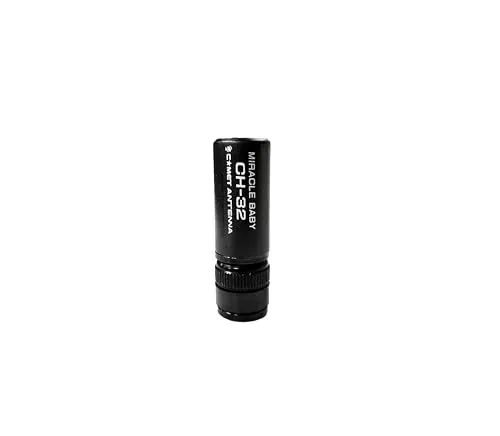
13 tracked
Mobile Antennas
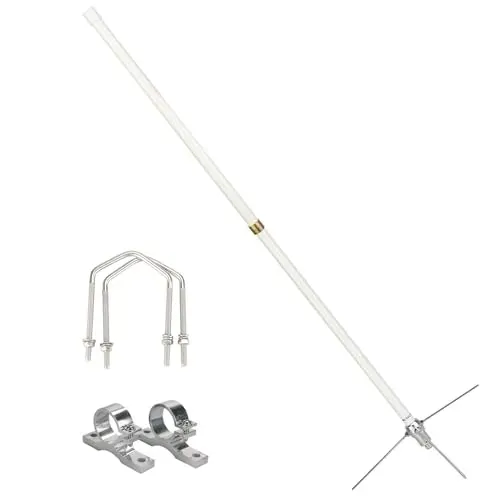
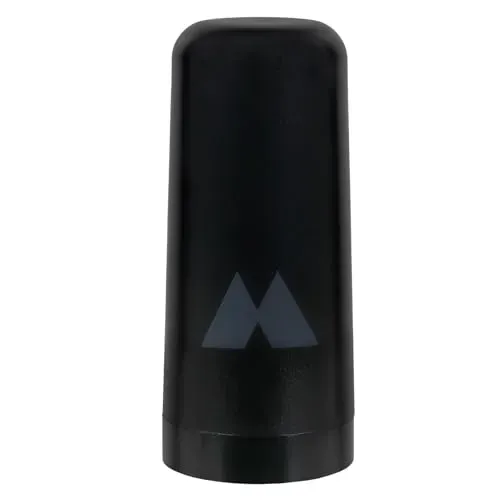
Vehicle antennas on NMO or magnetic mounts. The roof gives them the ground plane a handheld lacks, which is most of why they outperform one.
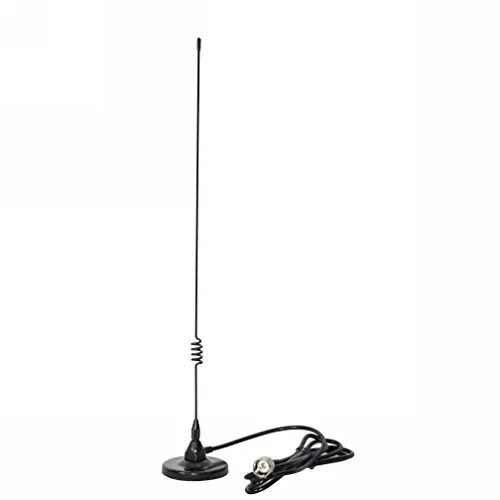
$21.99 · 3.00 dBi · PL-259
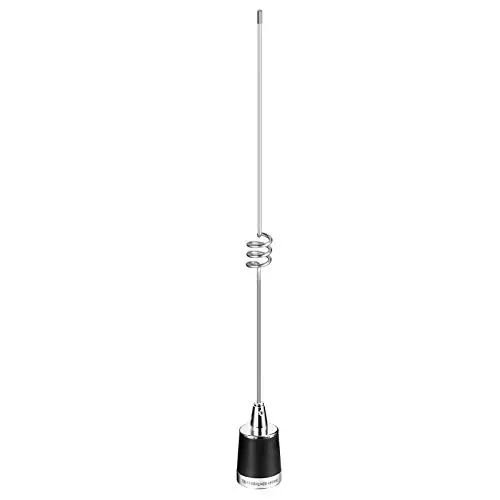
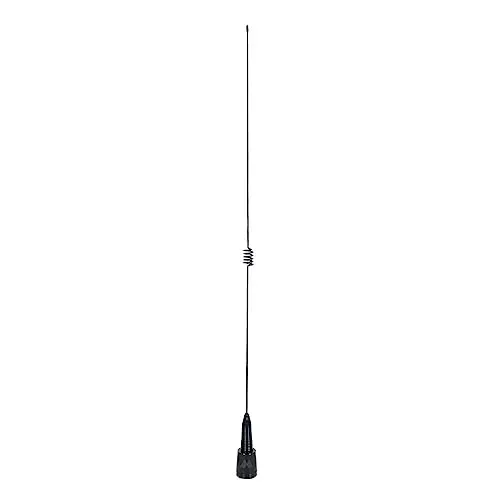
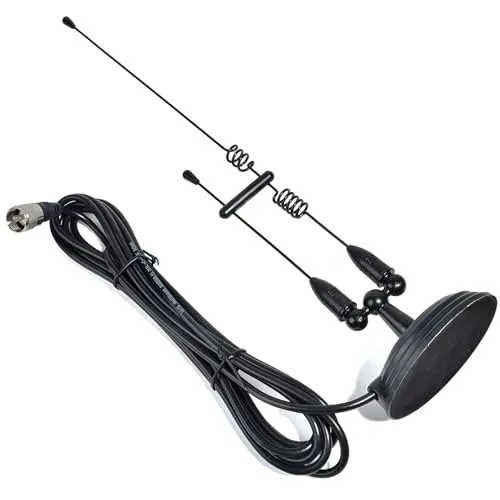
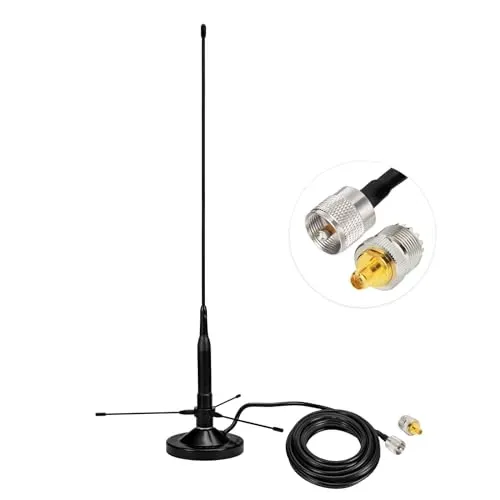
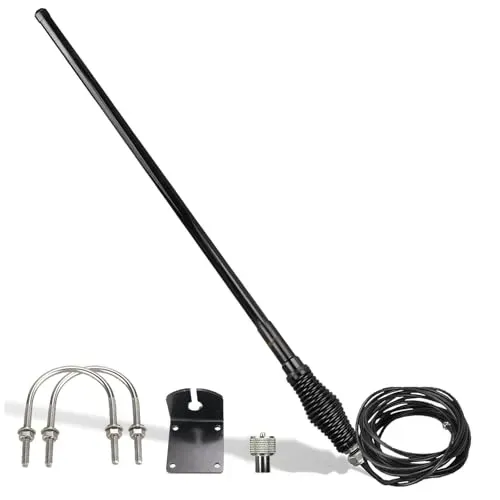
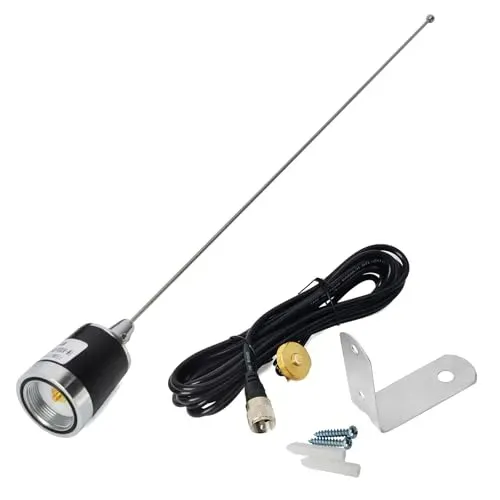
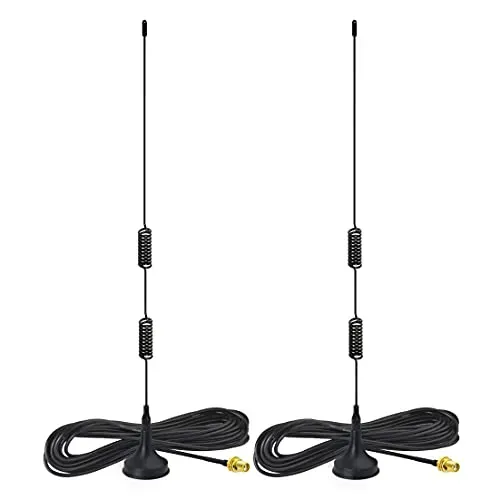
$15.49 · 8.00 dBi · SMA-Female
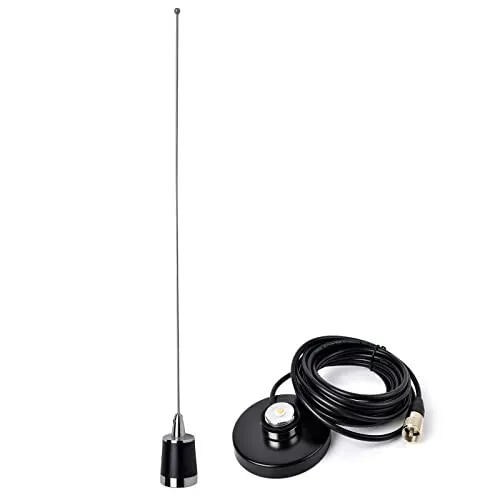
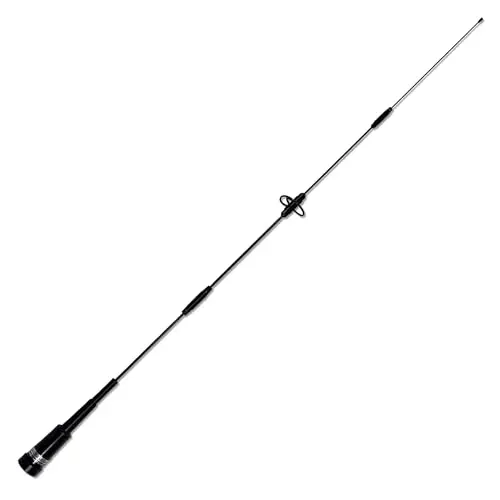
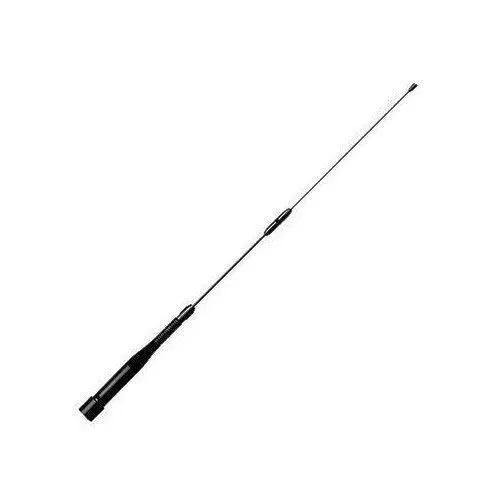
3 tracked
Base and Directional Antennas
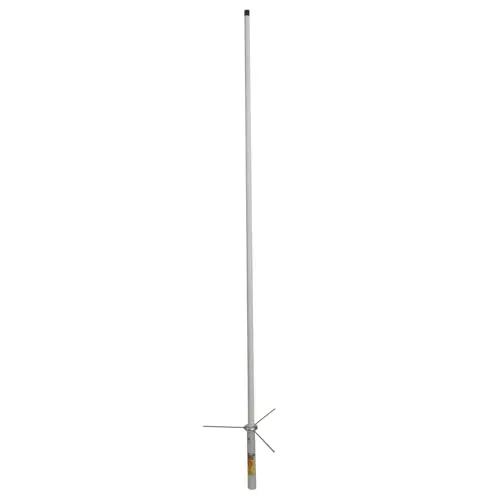
Fixed installations. Height is the whole game: a modest antenna on a roof beats an excellent one at head height.
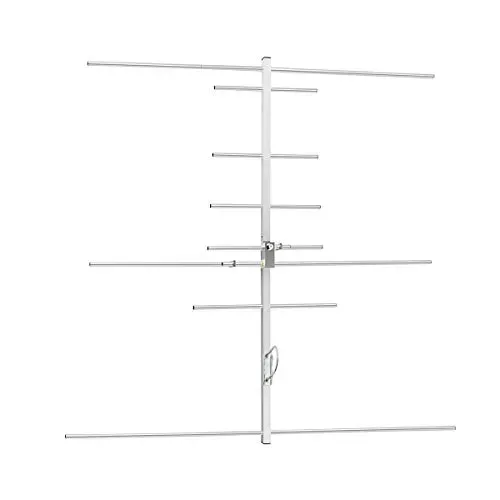
2 tracked
Mounts and Bases
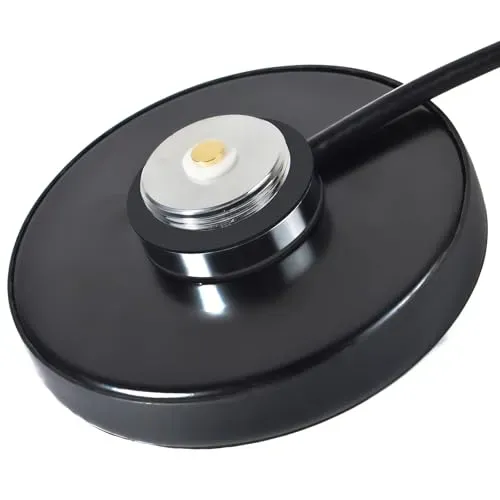
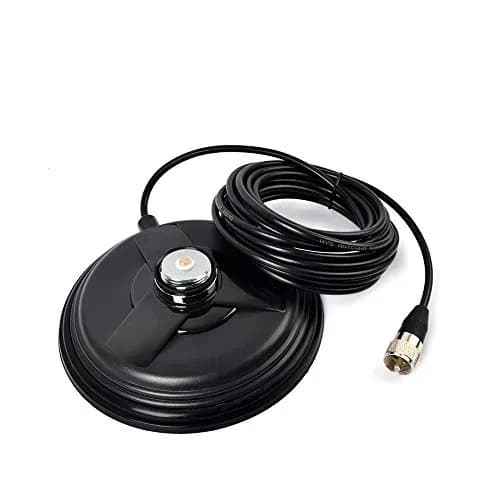
The hardware between the antenna and the vehicle. A mount does not radiate, so it has no gain and no bands, and on a steel roof the magnet itself becomes part of the ground plane the antenna needs.
Measured against the physics
Gain Claims the Numbers Do Not Support
An antenna's gain is limited by its length relative to the wavelength it works on. These are listings in this catalog whose advertised gain is more than 2 dB above what an element of that length can produce on its best band.
| Antenna | Length | Claimed | Supportable |
|---|---|---|---|
| ABBREE AR-805S Stubby (SMA-Female) | 50 mm | 3 dBi | -4.9 dBi |
| ABBREE GMRS 42.5-inch Tactical (SMA-Female) | 1080 mm | 5 dBi | -1 dBi |
| ABBREE 48.8-inch Foldable Tactical (SMA-Female) | 1240 mm | 6 dBi | 3.1 dBi |
| Nagoya NA-701G (GMRS) | 140 mm | 2.15 dBi | -0.4 dBi |
| Abbree AR-152 Folding Tactical Antenna | 1080 mm | 5 dBi | 2.6 dBi |
This is not an accusation of fraud. Vendors quote peak figures under favourable assumptions, and some simply copy a number from a supplier sheet. It does mean the figure is not a reason to choose one of these over a shorter, cheaper antenna. The full check of every claim we can test is in antenna gain claims, checked.
Method
How We Score Antennas
We do not score the advertised gain, because it is not a reliable guide: antennas of the same size ship with different figures, and some claim more than their length can support. Instead we take the stated physical length, a number we can check against the band, and express it in wavelengths at each band the antenna covers. That ratio is the biggest single factor in how an antenna radiates, alongside construction, tuning and mounting: below about a fifth of a wavelength it is electrically short and lossy, around half a wavelength it works without needing a ground plane, and near five eighths it reaches the practical limit for a single element.
Scores are comparable inside a group and not across them. A mobile antenna on a car roof will out-radiate any handheld whip, so an 85 here means "excellent for its kind", which is why the groups above are listed separately rather than as one ranked table.
More on the method in our scoring methodology, and you can check any antenna against your radio with the SWR calculator.
Frequently Asked Questions
Will a better antenna really improve my range?
More than anything else you can buy for the money. A stock handheld antenna is about 155 mm, which is under a tenth of a wavelength on 2 meters and radiates at a real loss. A 39 cm whip is roughly half a wavelength on 70 centimeters, and half-wave antennas do not depend on a ground plane, which is exactly what a handheld cannot give them. That is the single biggest step available, and it costs around ten dollars.
Is a higher dBi number always better?
No, and on cheap handheld antennas the number is often not real. Gain is not free energy; it comes from squashing the radiation pattern flatter toward the horizon. That helps on flat ground and hurts when the repeater is on a hill above you. It also has to be physically earned: an antenna a tenth of a wavelength long cannot produce 3 dB of gain no matter what the listing says.
What does the connector have to match?
The jack on your radio, exactly. SMA-Female and SMA-Male look almost identical and do not interchange. Baofeng-style radios take SMA-Female antennas; Yaesu, Wouxun and TYT generally take SMA-Male. Getting this wrong is the most common antenna mistake, and adapters add loss and strain the jack.
Do I need a GMRS-specific antenna?
If you only operate GMRS, yes, it is genuinely better. GMRS sits at 462 to 467 MHz while the 70 centimeter ham band centres near 435 MHz, so an antenna cut for GMRS is closer to resonance there than a dual-band ham whip of the same length. A dual-bander is the right answer only if you use both services.
Are the long folding tactical antennas worth it?
On 2 meters, often yes: a 1080 mm whip is close to a half wavelength there and works well. On 70 centimeters the same antenna is over one and a half wavelengths, where the pattern breaks into lobes and gain toward the horizon actually falls. They are better VHF antennas than UHF ones, and they are awkward to carry, which is the trade you are making.