The mobile catalog
Mobile Ham Radios
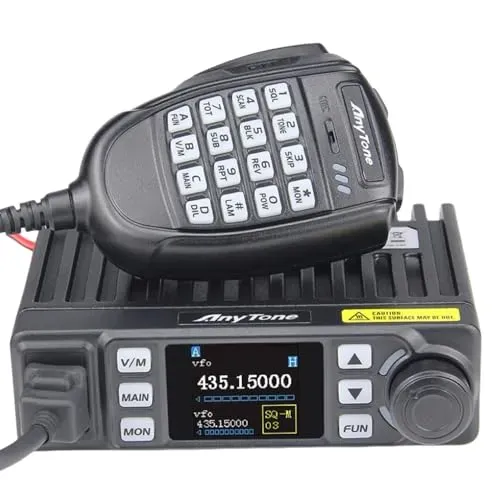
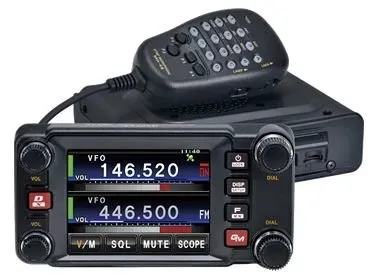
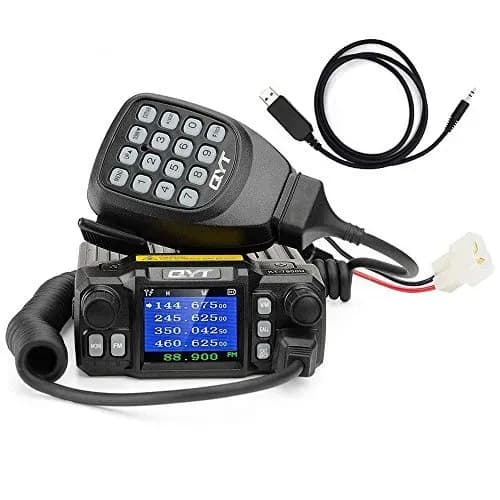
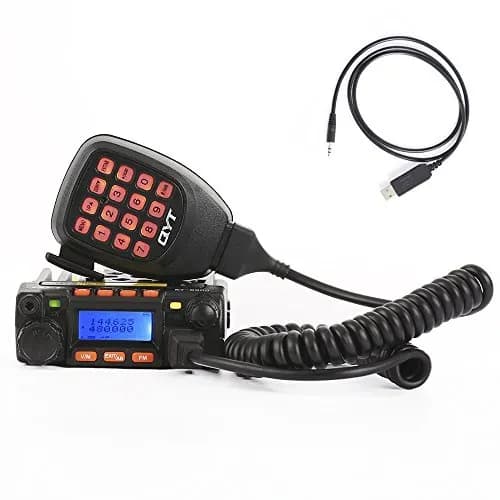
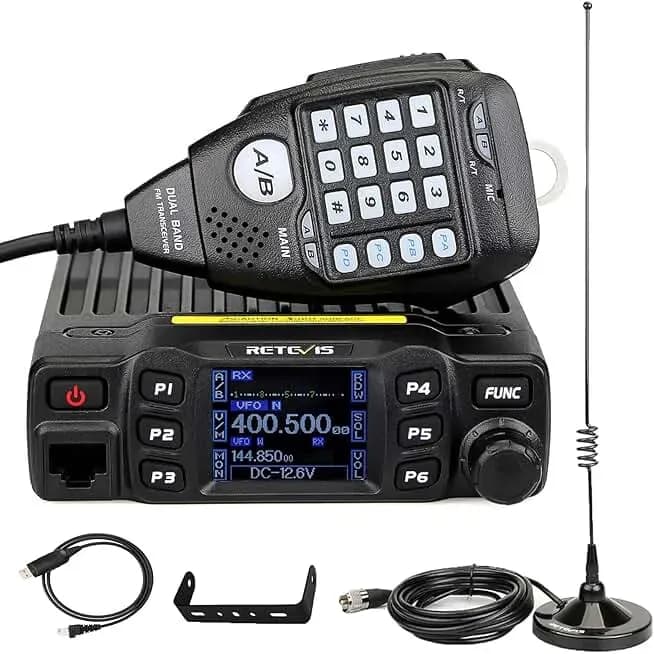
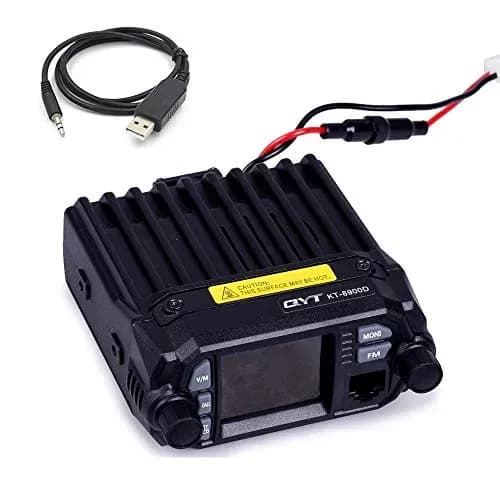
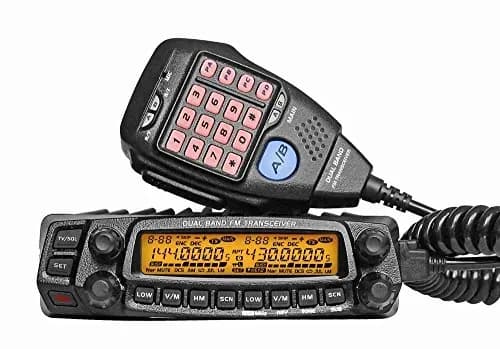
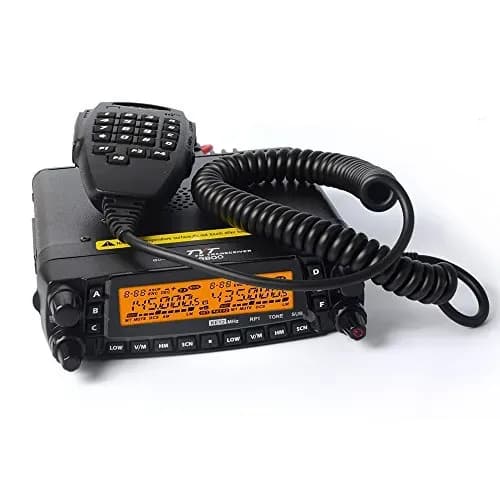
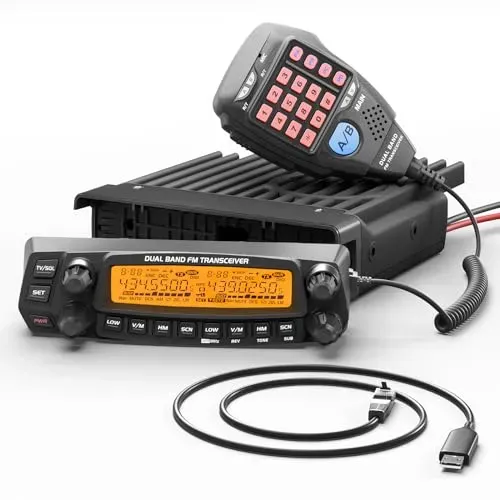
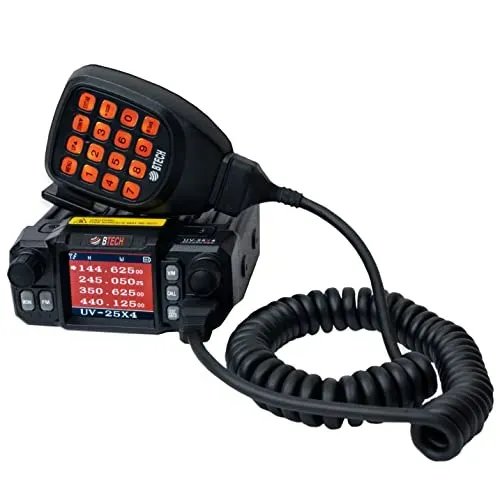
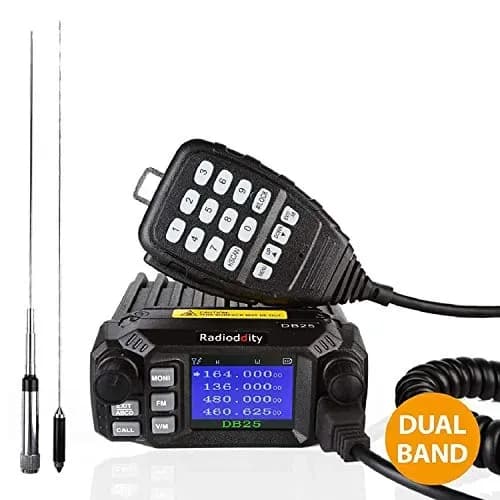
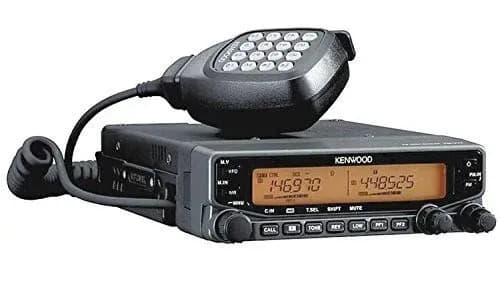
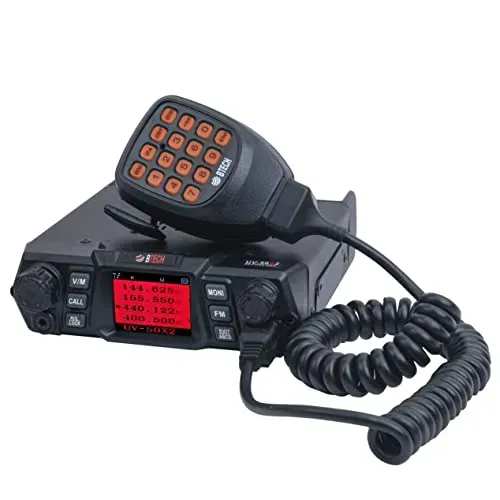
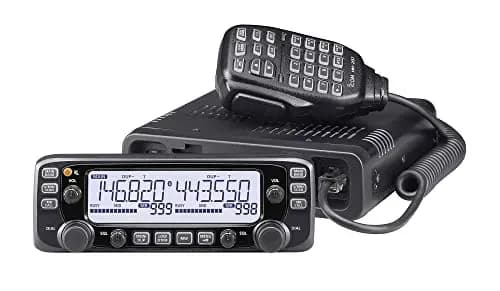
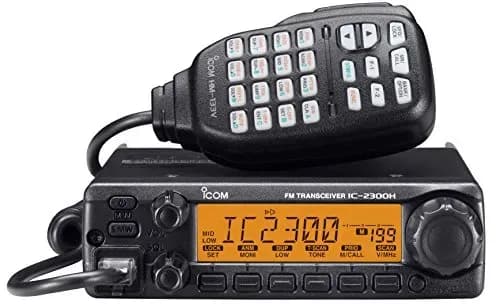
VHF and UHF transceivers for a vehicle or a desk, running 20 to 65 watts. The power is the headline spec and the antenna is the one that decides your coverage, so this page covers both.
Podium
Top Picks
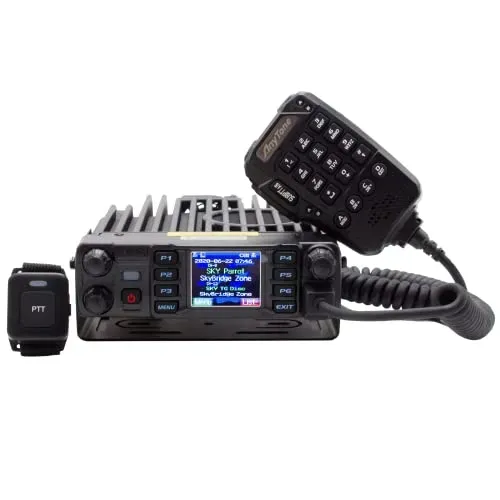
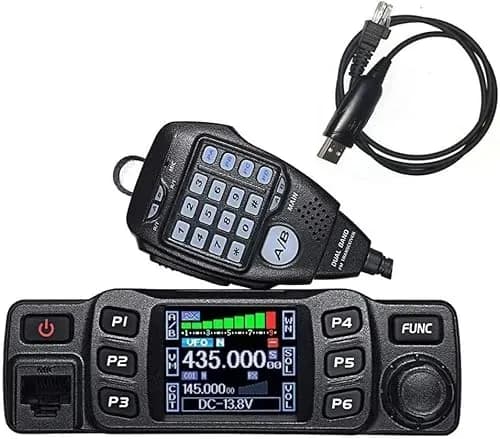
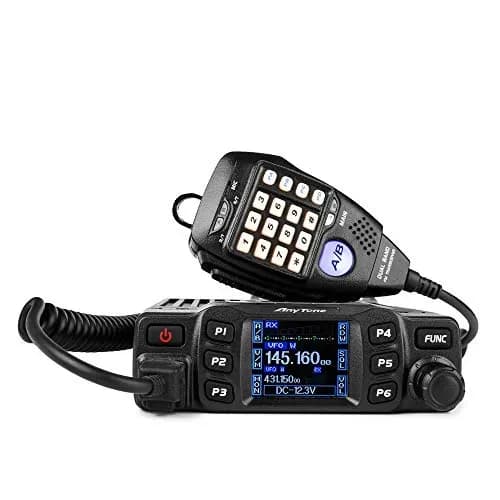
19 tracked
Every Mobile We Track
Ranked by overall score, which weighs features and power against price and buyer sentiment. A radio without a price is one we track but Amazon currently has no stock of.
The trade nobody explains
What 50 Watts Actually Buys You
VHF and UHF travel in near-straight lines, so the first limit your signal meets is the horizon, and the horizon is a function of height alone. Watts do not move it. A 50-watt mobile with its antenna on a car roof sees almost exactly as far as a 5-watt handheld held at the same height.
What the watts do buy is margin: punching through foliage, holding a clean signal at the edge of a path, and coping with a hill that only partly blocks the way. Real coverage comes from getting the antenna up, which is why a modest radio on a roof mast beats a flagship on a desk.
| Antenna height | Height | Radio horizon |
|---|---|---|
| Handheld at head height | 6 ft | 3.5 miles |
| Car roof | 5 ft | 3.2 miles |
| Truck or van roof | 8 ft | 4.0 miles |
| Roof rack or light bar | 12 ft | 4.9 miles |
| House roof mast | 30 ft | 7.7 miles |
| Hilltop pull-off | 300 ft | 24.5 miles |
Two stations each see their own horizon, so add the two figures for the distance between them. Signals do reach somewhat past the horizon by diffraction and atmospheric bending, so treat it as the number to plan around rather than a wall. Work out your own case with the range calculator, and see the antenna catalog for what to put on the roof.
3 of 19 tracked
Which Have Digital Voice
Digital voice on VHF and UHF is split across three incompatible systems, and a radio speaks one of them. Pick the one your local repeaters and your friends already use, because the mode you cannot talk to is worth nothing to you.
| Radio | Mode | APRS | GPS | Power |
|---|---|---|---|---|
| AnyTone AT-D578UVIII PLUS | DMR | Yes | Yes | 50 W |
| Yaesu FTM-300DR | C4FM Fusion | Yes | Yes | 50 W |
| Yaesu FTM-400XDR | C4FM Fusion | Yes | Yes | 50 W |
Our digital modes explainer covers what each system is good at.
Method
How We Score Mobile Radios
Mobiles get their own scoring engine rather than sharing the handheld one. The power ceiling moves from 10 watts to 50, which stops every mobile from pinning at the top of that dimension, and portability is dropped entirely: a radio that lives bolted to a dashboard should not be judged on how it fits a pocket.
Read the full methodology, or compare any two radios head to head from the comparison hub.
Frequently Asked Questions
Is a 50-watt mobile much better than a 5-watt handheld?
Better, but not in the way the numbers imply. Ten times the power is 10 dB, which is a real improvement in signal quality along a path you can nearly complete already. It does not push your signal past the horizon, and the horizon is set by antenna height. The mobile's genuine advantage is that its antenna sits on a metal roof, which gives it both a couple of feet of height and a proper ground plane the handheld never had.
What is cross-band repeat and do I need it?
It lets the mobile receive on one band and retransmit on the other, so a handheld inside a building can reach a distant repeater through the radio in your vehicle. It is genuinely useful for search and rescue, events and working from a campsite, and it is a niche feature the rest of the time. Note that unattended operation has rules attached, so read up before leaving one running.
Do mobile ham radios need FCC certification?
No. Part 97 licenses the operator rather than the equipment, so amateur transceivers carry no equipment authorization and that is correct rather than missing. Some of these radios do hold a Part 90 commercial grant, which is worth knowing if you also operate on licensed business frequencies, and we show it on those product pages.
Can I use a mobile radio as a base station?
Yes, and plenty of people do. You need a 13.8-volt supply rated above the radio's transmit draw, which for a 50-watt set means roughly 12 amps or more, plus an outdoor antenna. It is usually cheaper than a dedicated base radio and gives up little except a smaller display and no built-in supply.
How much power do I actually need?
Most local repeater work is comfortable at 25 watts, and 50 gives you margin on a marginal path. What actually changes your coverage is getting the antenna higher and using a decent one; watts help at the edges of a path that nearly works. If you have to choose between a 50-watt radio with a cheap antenna and a 25-watt radio with a good roof-mounted one, take the second.