RadioRanked verdict
APX
APX-8000
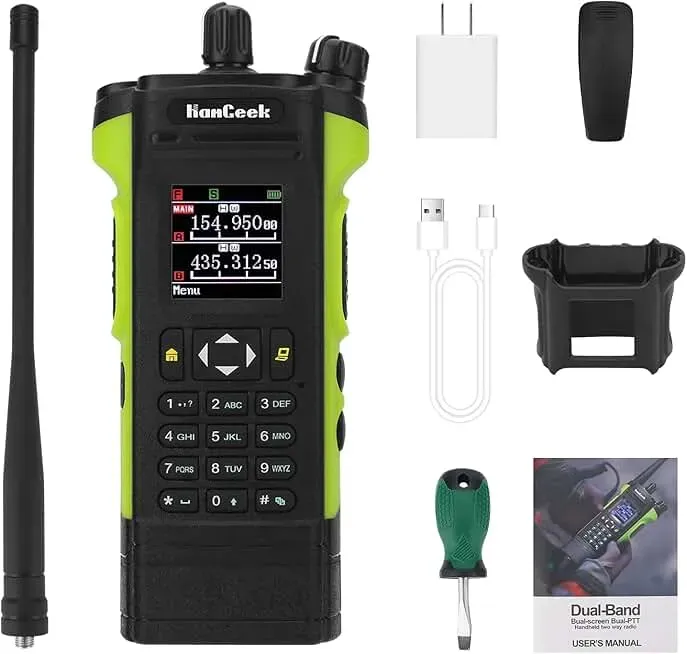
The APX-8000 offers solid VHF/UHF performance and exceptional battery life for the price point. It is a reliable, basic handheld for entry-level operators.
Decision helper
Is this radio right for you?
Yes, if you're…
- ✓Technician-class VHF/UHF operators
- ✓Operators needing long simplex range
- ✓Budget-conscious entry-level users
- ✓Basic repeater coverage needs
Skip it, if you're…
- ✕Operators needing DMR or digital modes
- ✕Advanced radio hobbyists
- ✕Users requiring streamlined programming
Tradeoffs
The good and the bad
What we like
- Excellent runtime with large battery
- Solid 12W TX power on VHF
- Durable build quality and feel
- 128 channels for repeater entries
What we don't
- No digital mode support (DMR, D-STAR)
- Programming menus can be complex
- Reported issues with TX delay
- Limited compatibility with programming cables
Proprietary RR score
How we scored it
Scores combine published specs, current price, and Amazon buyer sentiment. No bench tests. How we score →
Ready to buy?
Fast Prime shipping, no-questions-asked returns through Amazon.
12.00W
TX Power
8800mAh
Battery
128
Channels
Extracted from the top buyer reviews we analysed
Themes from top buyer reviews
Battery Life
Users praise the extended runtime and battery capacity.
Build Quality
The radio is described as durable and well-constructed.
Programming Experience
Several users noted difficulty or complexity in setup.
Transmission Reliability
Concerns were raised regarding PTT delay and TX failure.
Overview
The APX-8000 sits at the entry-level end of the dual-band handheld market, best suited to Technician-class operators who need basic VHF and UHF FM coverage without a significant outlay. It is not a digital radio; there is no DMR, D-STAR, or Fusion support here, so operators looking to get onto a digital repeater network will need to look elsewhere.
Where this radio does make a reasonable case for itself is runtime. The 8800mAh lithium-ion cell is notably large for a $129.99 handheld, and 12W of TX power on VHF is a legitimate figure for simplex range in open terrain. With 128 memory channels, it handles a reasonable number of repeater entries, and CHIRP compatibility (verify before purchase) would make programming less painful. Portability scores reasonably well given the battery size, though the feature set overall is on the thin side.
No customer feedback data was available at time of writing. At $129.99, the APX-8000 is a straightforward FM-only handheld with a strong battery argument and no digital frills. Buy it if FM simplex and local repeater access is all you need; pass on it if you anticipate any digital mode work.
Specifications
| Price | $129.99 |
| TX Power (High) | 12.00W |
| Memory Channels | 128 |
| Battery | 8800 mAh |
| Display | Color LCD |
| FCC Authorization | No grant found |
| color | Green |
| UPC | 785034088452 |
| Color | Green |
| Model Number | APX-8000 |
| Compatible Devices | Two-way radios operating on VHF (136.025-173.975 MHz) and UHF (406.125-469.125 MHz) frequencies, compatible headsets, earpieces, and external antennas |
| Water Resistance Level | Not Water Resistant |
Key Features
- Dual-band VHF/UHF FM operation; no digital modes (DMR, D-STAR, Fusion)
- 12W maximum TX power on VHF; useful for simplex in open or semi-urban terrain
- 8800mAh lithium-ion battery included; above-average capacity for this price tier
- 128 memory channels across dual display zones A and B
- Dual-watch operation; zones A and B can monitor simultaneously across different bands
- Duplex relay function supports cross-band repeat in AB mode
- Not water resistant; avoid unprotected outdoor use in wet conditions
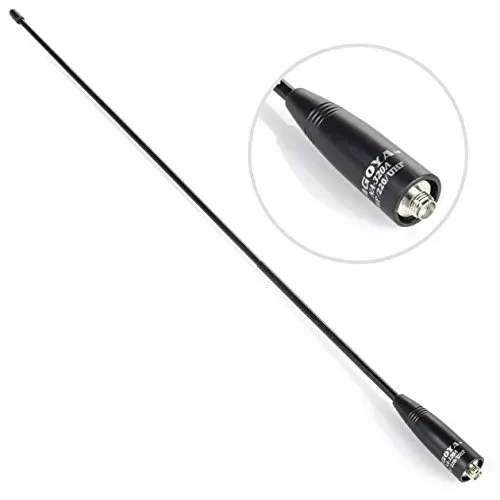
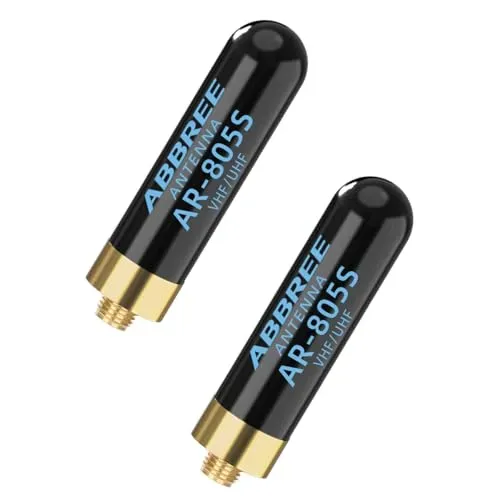
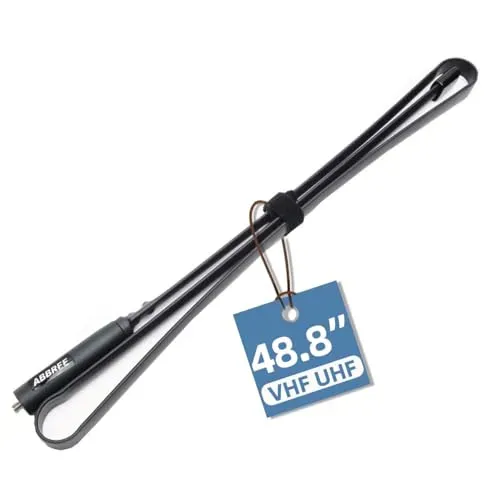
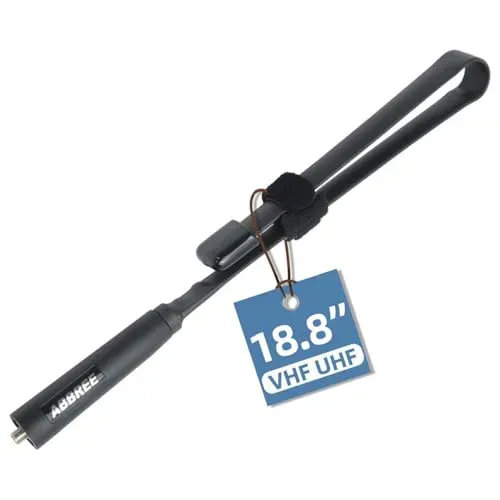
Recommended Antenna Upgrades
A better antenna is the cheapest way to extend your range. These fit the SMA-Female jack on the APX-8000.
Similar Radios
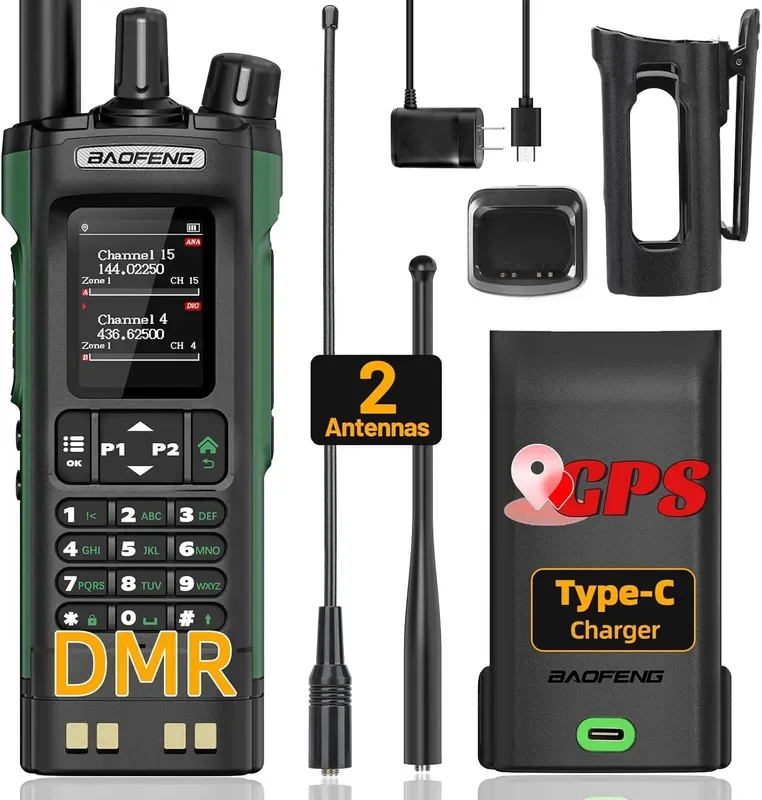
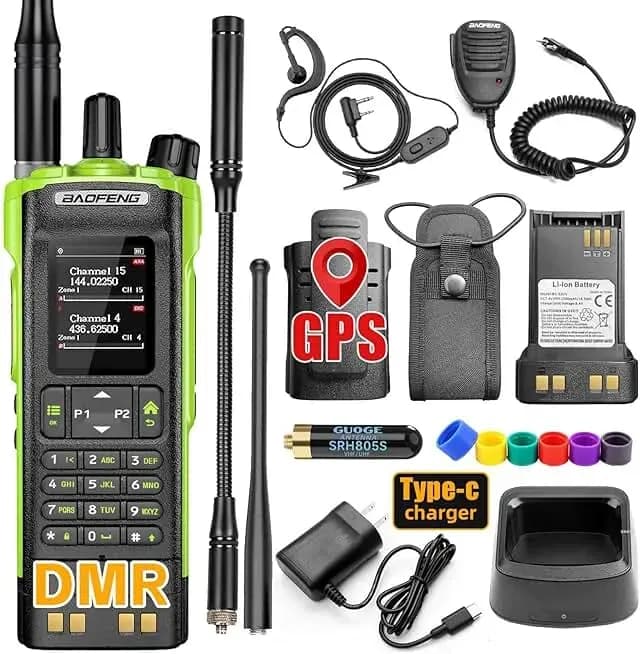
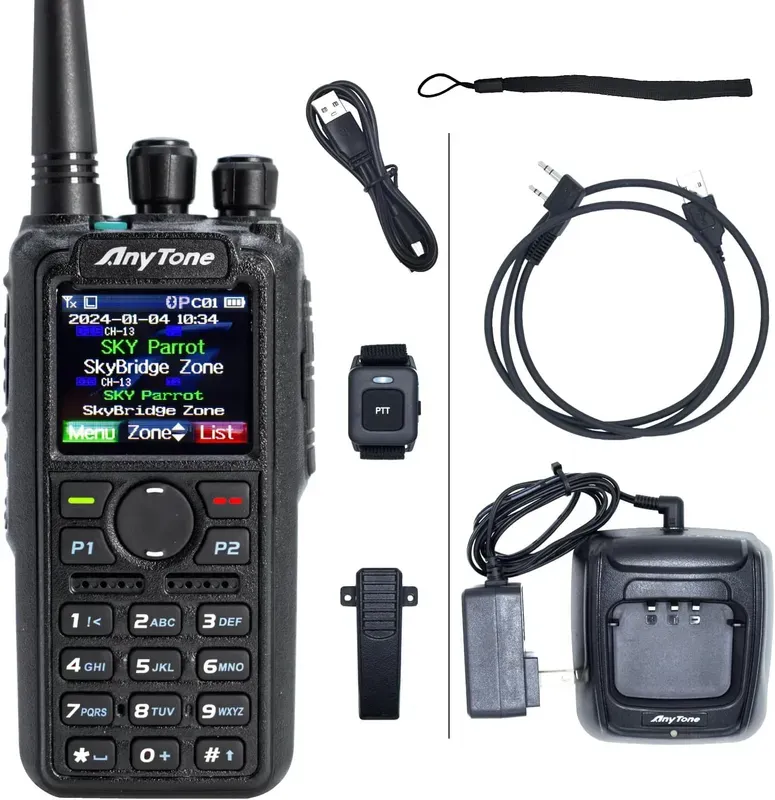
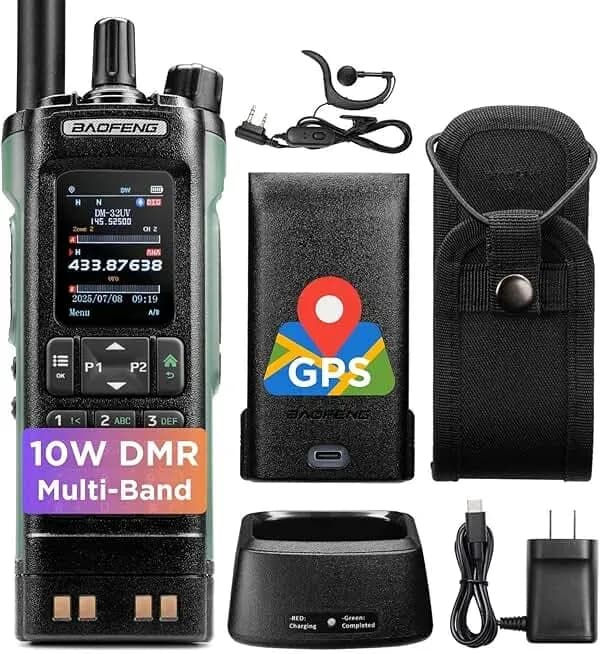
Compare APX-8000
Compare APX-8000 with all 70 we track
- vs ABBREE AR-30W
- vs Ailunce HD1
- vs AnyTone AT-D168UV
- vs AnyTone AT-D878UVII Plus
- vs AnyTone AT-D890UV
- vs Baofeng 5RM
- vs Baofeng AR-5RM
- vs Baofeng BF-5RH PRO
- vs Baofeng BF-F8HP
- vs Baofeng DM-1701
- vs Baofeng DM-32UV GPS APRS
- vs Baofeng DM-32UV Pro
- vs Baofeng DM32
- vs Baofeng GT-5R
- vs Baofeng K5 Plus
- vs Baofeng K5 Plus Tri-Band
- vs Baofeng UV-21R
- vs Baofeng UV-25
- vs Baofeng UV-26
- vs Baofeng UV-28
- vs Baofeng UV-5R
- vs Baofeng UV-5R Mini
- vs Baofeng UV-5R Plus
- vs Baofeng UV-5RM Plus
- vs Baofeng UV-5RM Pro
- vs Baofeng UV-7B
- vs Baofeng UV-82
- vs Baofeng UV-82HP
- vs BTECH DMR-6X2 PRO
- vs BTECH UV-5X3
- vs BTECH UV-PRO
- vs KSUN HF123D
- vs Quansheng TK11
- vs Quansheng UV-K1
- vs Quansheng UV-K5(8)
- vs Quansheng UV-K6
- vs Radioddity GA-510
- vs Radioddity GD-168
- vs Radioddity GD-88
- vs Radioddity GS-10B
- vs Radtel RT-470X
- vs Radtel RT-493
- vs Radtel RT-4D DMR
- vs Radtel RT-730
- vs Radtel RT-860
- vs Radtel RT-880
- vs Radtel RT-880G
- vs Radtel RT-910B
- vs Radtel RT-920
- vs Radtel RT-950 PRO
- vs Retevis A3
- vs Retevis HA1UV
- vs Retevis HA2
- vs Retevis HD2
- vs Retevis RA79
- vs Retevis RA89
- vs Retevis RT85
- vs TIDRADIO TD-H3
- vs TIDRADIO TD-H9
- vs TYT TH-UV88
- vs WLN KD-C1
- vs Wouxun KG-Q10H
- vs Wouxun KG-UV6D Two Way Radio
- vs Wouxun KG-UV9D Plus
- vs Y23UV-98PLUS
- vs Yaesu FT-5DR
- vs Yaesu FT-60R
- vs Yaesu FT-65R
- vs Yaesu FT-70DR
- vs Yaesu VX-6R
What Customers Say
Well made product but the programing could be more streamlined and the cable that comes with the radio is not compatible with programming
3.5 watts output.
Maybe I got a bad one and believe me, I wanted to love it. It seemed like a well built radio and felt super sturdy. There were just too many things I didn’t like and not enough of what I wanted to love about it. I tried, but couldn’t overcome those issues. While it seems like some folks love it, for...