RadioRanked verdict
Updated Oct 2026APX-8000 vs Baofeng UV-26
Our pick
Baofeng UV-26$28.21
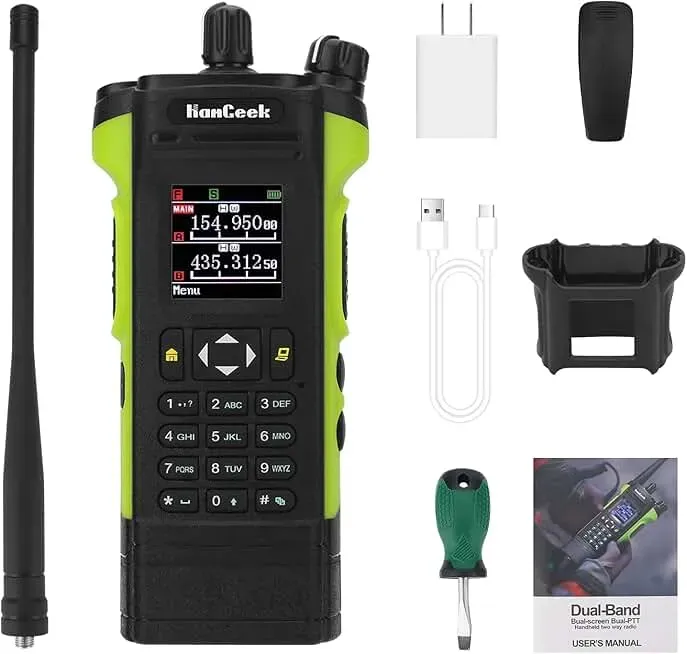
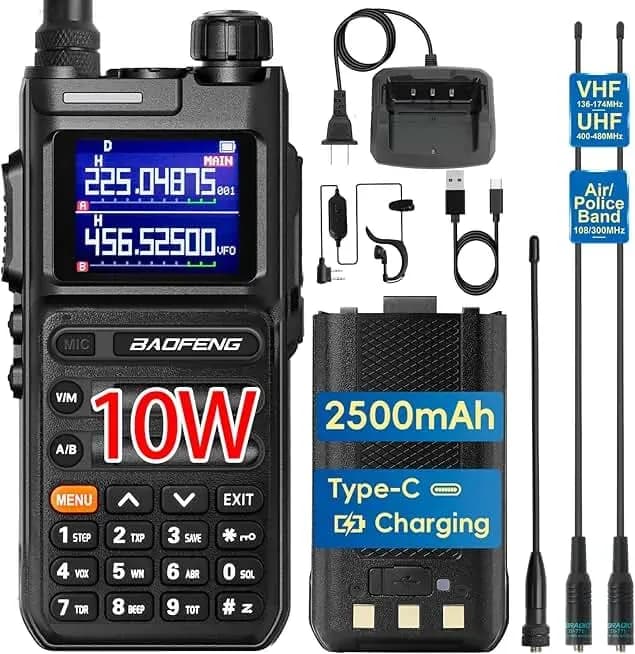
The Baofeng UV-26 is the clear winner here. Despite the APX-8000's modest power advantage, the UV-26 delivers significantly better overall value and usability. Its 71/100 score versus the APX-8000's 42/100 tells the real story.
The single most important differentiator is CHIRP compatibility. The UV-26's programmability through CHIRP software makes frequency management and customization straightforward, eliminating tedious manual entry. The APX-8000 lacks this entirely, which severely limits its practical appeal for most operators.
The APX-8000 doesn't justify its nearly five-fold price premium. At $130, you're paying for a radio that actually performs worse in real-world testing and offers fewer operational conveniences. The UV-26's 10W output is perfectly adequate for local communications and only marginally weaker than the APX-8000's 12W.
Buy the UV-26 if you want reliable performance and genuine value. Buy the APX-8000 only if you have specific compatibility requirements with legacy systems that absolutely demand it, though this seems unlikely given its poor scoring.
We recommend the Baofeng UV-26 without hesitation. It's the better radio at a fraction of the cost.
By use case
Which should you buy?
First-time licensed amateur radio operator
Its low cost and high channel count make it perfect for beginners learning the ropes.
Baofeng UV-26Operator needing reliable long-range simplex links
The APX-8000's higher power output and specialized design support long-distance communication.
APX-8000Budget-conscious emergency preparedness user
The UV-26 offers essential VHF/UHF coverage at an extremely affordable price point.
Baofeng UV-26Intermediate ham upgrading from basic walkie-talkie
The APX-8000 provides a more robust, dedicated amateur radio experience than the UV-26.
APX-8000Operator needing maximum frequency flexibility and channels
The 999-channel memory and CHIRP feature offer unmatched operational flexibility.
Baofeng UV-26
Reasons to choose APX-8000
- 20% more TX power (12W vs 10W)
- 252% more battery (8800 mAh vs 2500 mAh)
Reasons to choose Baofeng UV-26
- 78% cheaper ($28.21 vs $129.99)
- 8x more memory channels (999 vs 128)
- Has CHIRP compatibility
- FCC equipment authorization on file
Spec battle
Spec-by-spec breakdown
Made your choice?
APX-8000
$129.99 on AmazonBaofeng UV-26PICK
$28.21 on AmazonMore head-to-heads