RadioRanked verdict
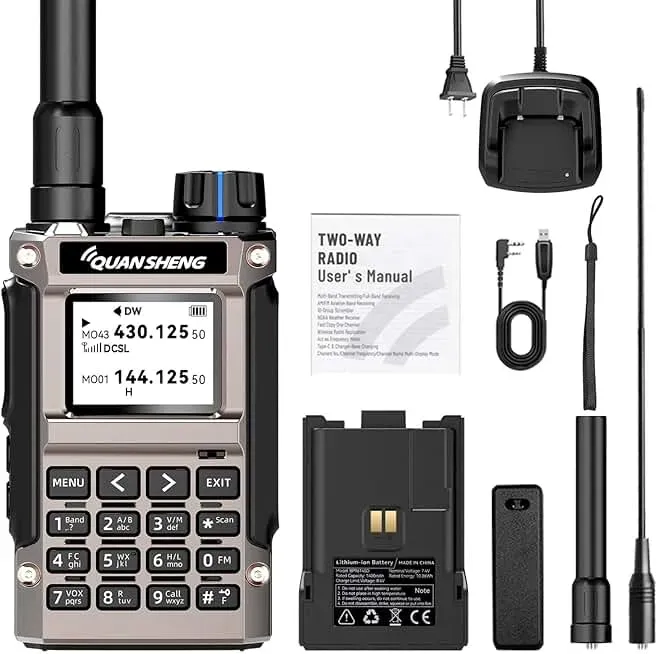
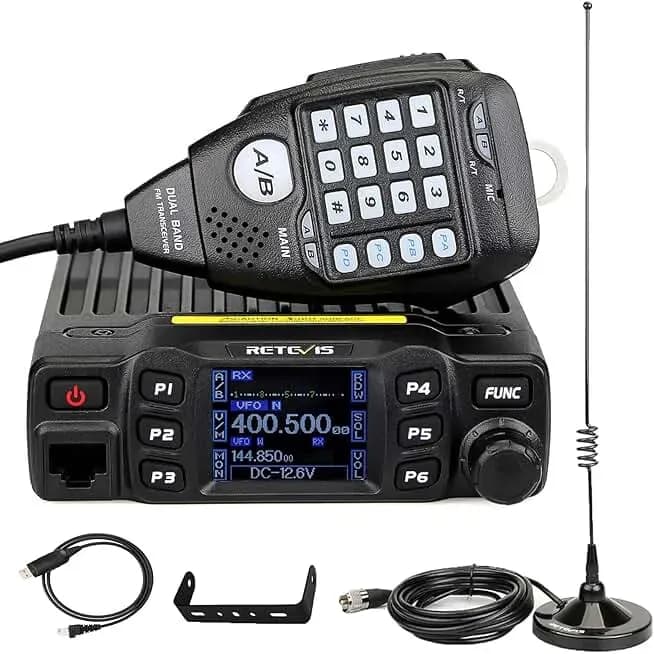
Updated Jul 2026Quansheng UV-K1 vs Retevis RT95
Our pick
Retevis RT95$126.69
The Retevis RT95 is the clear winner between these two options. While the Quansheng UV-K1 offers exceptional value at $38, the RT95 justifies its $126 price premium through measurably better overall performance and usability.
The single most important differentiator is CHIRP compatibility. The RT95 supports CHIRP programming software, which dramatically simplifies frequency management and configuration compared to manual entry. This feature alone significantly improves the user experience, especially for operators managing multiple frequencies or programming repeaters.
The Quansheng UV-K1 suits budget-conscious beginners who want to experiment with handheld radio on a shoestring and don't mind wrestling with basic programming. The Retevis RT95 belongs in the hands of operators who value their time and plan to use their radio seriously beyond casual testing.
For most amateur radio operators, the RT95 represents the smarter investment. The additional cost buys you a radio that scores substantially higher overall and includes practical features like CHIRP support that make regular operation less frustrating. The UV-K1 remains interesting primarily as an ultra-budget novelty purchase.
By use case
Which should you buy?
Absolute beginner on a tight budget
Its low price point and simple analog features make it perfect for starting out.
UV-K1Operator needing digital modes (DMR)
The Retevis supports CHIRP, giving it necessary digital and advanced features.
Retevis RT95Casual local simplex monitoring
The UV-K1 is specifically designed for simple, local, analog monitoring use.
UV-K1New operator planning for mobile setups
Its dual-band capability and advanced features suit future mobile experimentation.
Retevis RT95Experienced user needing more features
The Retevis offers more advanced functionality and greater potential for growth.
Retevis RT95
Reasons to choose Quansheng UV-K1
- 72% cheaper ($35.98 vs $126.69)
Reasons to choose Retevis RT95
- Has CHIRP compatibility
- Has color TFT display
- FCC equipment authorization on file
Spec battle
Spec-by-spec breakdown
Made your choice?
Quansheng UV-K1
$35.98 on AmazonRetevis RT95PICK
$126.69 on AmazonKeep researching
Related Buying Guides
More head-to-heads