RadioRanked verdict
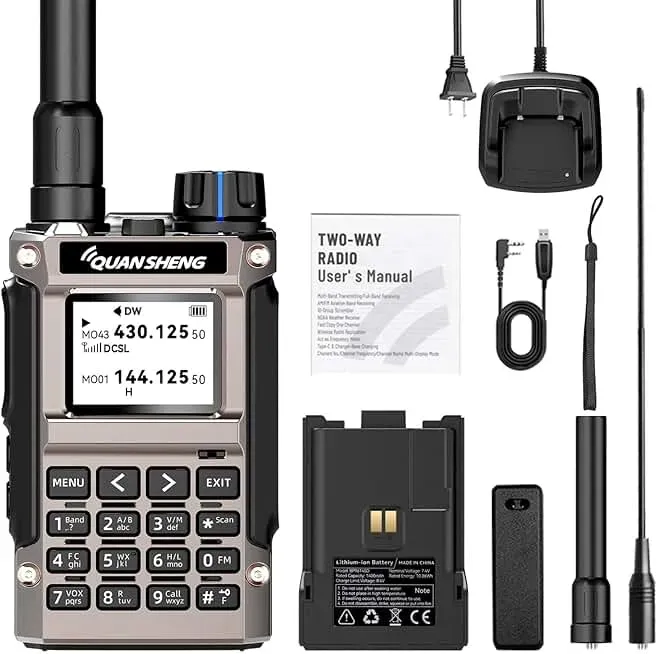
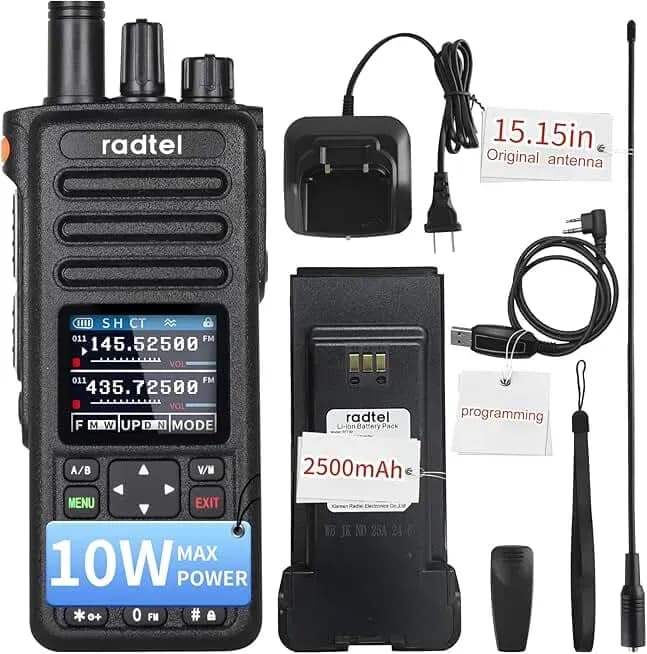
Updated Oct 2026Quansheng UV-K1 vs Radtel RT-730
Our pick
Radtel RT-730$39.00
The Radtel RT-730 is the clear winner here. The UV-K1 is missing critical specifications including price, transmit power, and weight, making a complete comparison impossible. The RT-730, by contrast, offers a known price of $39 with 10 watts of transmit power. Both radios support CHIRP programming and lack digital modes, but the RT-730 has meaningful owner validation: 176 Amazon reviews reporting 4.1 out of 5 stars versus only 8 reviews for the UV-K1. The single most important differentiator is data completeness. The UV-K1's missing specifications suggest either limited market documentation or early product status, while the RT-730's fuller specification sheet and much larger review base provide genuine buyer confidence.
The UV-K1 makes sense only if you need its lighter 190-gram weight and can accept incomplete information about capabilities and performance. The RT-730 should be your choice if you want a budget handheld with known power output, documented pricing, and proven owner feedback. Get the Radtel RT-730 unless the UV-K1's weight advantage outweighs the data gaps.
By use case
Which should you buy?
Hobbyist focused on scanning and monitoring
Its scanning-oriented design suits listeners who mostly monitor local channels rather than transmit.
UV-K1Simple analog operator who never uses digital modes
Its analog-only design keeps operation straightforward for users who never need digital modes.
UV-K1Budget-minded newly licensed Technician
It costs less and offers a much higher value score for a first radio.
RT-730Field day or emergency backup operator
Its 10W transmit output suits field day and emergency work needing dependable range.
RT-730Operator who programs channels by computer
CHIRP compatibility gives this radio a clear advantage for users who program channels by computer.
RT-730
Reasons to choose Quansheng UV-K1
- 8% cheaper ($35.98 vs $39.00)
- 1% more memory channels (200 vs 199)
Reasons to choose Radtel RT-730
- 79% more battery (2500 mAh vs 1400 mAh)
Spec battle
Spec-by-spec breakdown
Made your choice?
Quansheng UV-K1
$35.98 on AmazonRadtel RT-730PICK
$39.00 on AmazonKeep researching
Related Buying Guides
More head-to-heads