RadioRanked verdict
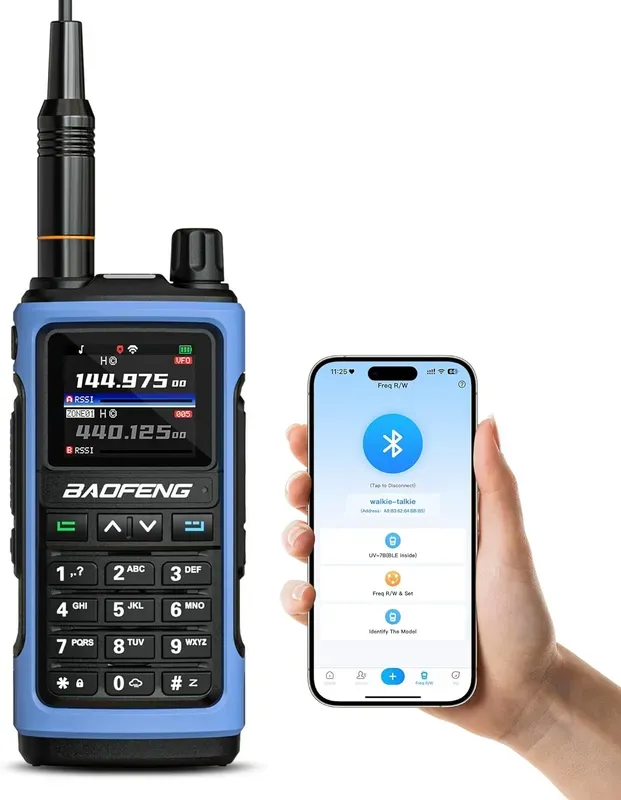
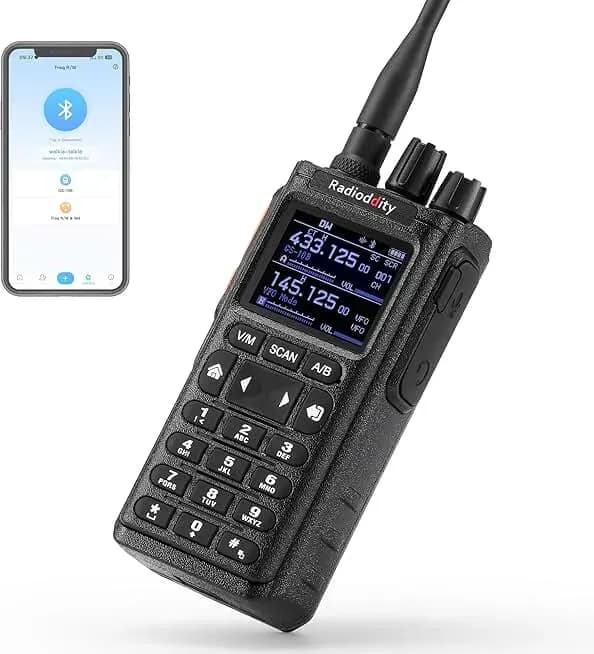
Updated Oct 2026Baofeng UV-7B vs Radioddity GS-10B
Our pick
Radioddity GS-10B$47.99
The Baofeng UV-7B is the clear winner here. Despite both radios lacking advanced features like DMR, APRS, and GPS, the UV-7B's significantly lower price point combined with its higher overall score makes it the better choice for most users.
The single most important differentiator is value for money. The UV-7B costs 40 percent less while scoring six points higher in overall performance. The Radioddity's documented 8W transmit power is a plus, but we don't have comparable TX specifications for the UV-7B, making direct comparison difficult. Meanwhile, the UV-7B's CHIRP compatibility gives it a genuine advantage for programming flexibility, something the GS-10B lacks.
The UV-7B suits budget-conscious operators and those who program radios frequently and need software flexibility. The GS-10B makes sense only if you specifically need confirmed 8W output and don't mind programming via buttons alone.
For most amateur radio hobbyists, the Baofeng UV-7B delivers better bang for your buck. Start with the UV-7B unless your specific use case demands the extra power the Radioddity provides. The price savings also leave room in your budget for accessories that might matter more for your station.
By use case
Which should you buy?
First-time licensed technician on a tight budget
Its extremely low price and high channel count make it ideal for beginners.
UV-7BCasual portable field use and emergency kits
The slightly higher power and tri-band capability offer better general field coverage.
GS-10BBudget-conscious backup or secondary HT unit
The UV-7B is perfect as a cheap, reliable secondary radio for backup purposes.
UV-7BHobbyist needing tri-band simplex coverage
The GS-10B's design specifically supports the required tri-band operation.
GS-10BOperator needing a highly versatile, feature-rich unit
The massive 1000-channel memory and Bluetooth connectivity provide excellent versatility.
UV-7B
Reasons to choose Baofeng UV-7B
- 47% cheaper ($25.49 vs $47.99)
- 4x more memory channels (1,000 vs 256)
- 20g lighter (260g vs 280g)
Reasons to choose Radioddity GS-10B
- 39% more battery (2500 mAh vs 1800 mAh)
Spec battle
Spec-by-spec breakdown
Made your choice?
Baofeng UV-7B
$25.49 on AmazonRadioddity GS-10BPICK
$47.99 on AmazonKeep researching
Related Buying Guides
More head-to-heads