RadioRanked verdict
Updated Oct 2026AnyTone AT-D168UV vs Baofeng UV-7B
Our pick
Baofeng UV-7B$25.49
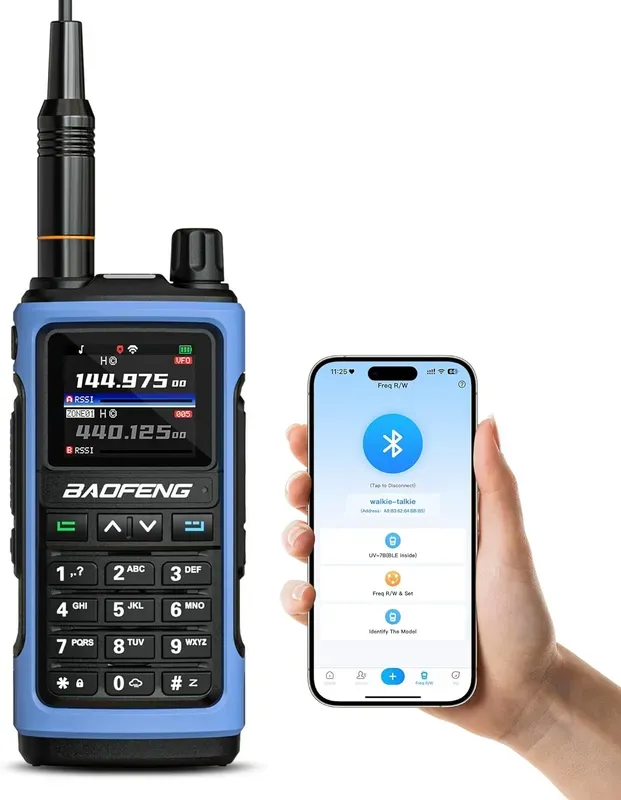
The Baofeng UV-7B is the clear winner for most users despite its lower feature set. The single most important differentiator is price: at 25 dollars versus 140 dollars, the UV-7B costs one-fifth as much while delivering a higher overall score of 71 versus 67.
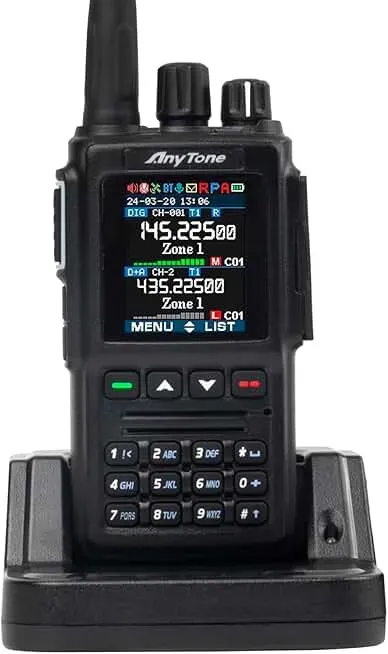
The AT-D168UV targets operators who need DMR digital capability and APRS functionality for emergency coordination or repeater networks, making it the better choice for experienced hams integrating into organized digital systems. The UV-7B suits budget-conscious beginners and casual operators who need basic VHF/UHF coverage without digital features or long-term feature commitments.
If you're just starting in amateur radio or want a backup radio without significant investment, the UV-7B is the obvious pick. The AT-D168UV only makes sense if you specifically operate on DMR networks where those digital features are essential to your use case. Given that the cheaper radio outscores the expensive one overall, the Baofeng represents far better value for the typical amateur radio operator. The gap in price justifies choosing the UV-7B unless you have explicit digital mode requirements.
By use case
Which should you buy?
First-time digital mode operator
It supports DMR and APRS, making it ideal for learning modern digital modes.
AnyTone AT-D168UVUltra budget-conscious backup radio
Its extremely low price point makes it perfect for a secondary or loaner unit.
UV-7BPortable POTA/SOTA field use
The higher power and multi-network support offer better reliability in the field.
AnyTone AT-D168UVNew licensee needing basic comms
It offers excellent basic functionality and is very easy for beginners to use.
UV-7BOperator needing multi-network support
Its built-in support for DMR and APRS provides necessary multi-network flexibility.
AnyTone AT-D168UV
Reasons to choose AnyTone AT-D168UV
- 4x more memory channels (4,000 vs 1,000)
- 40g lighter (220g vs 260g)
- Has DMR digital mode
- Has APRS support
- FCC equipment authorization on file
Reasons to choose Baofeng UV-7B
- 82% cheaper ($25.49 vs $139.99)
- Has Bluetooth
- Has CHIRP compatibility
Spec battle
Spec-by-spec breakdown
Made your choice?
AnyTone AT-D168UV
$139.99 on AmazonBaofeng UV-7BPICK
$25.49 on AmazonKeep researching
Related Buying Guides
More head-to-heads