RadioRanked verdict
Updated Jul 2026KSUN HF123D vs Retevis RT95
Our pick
Retevis RT95$129.99
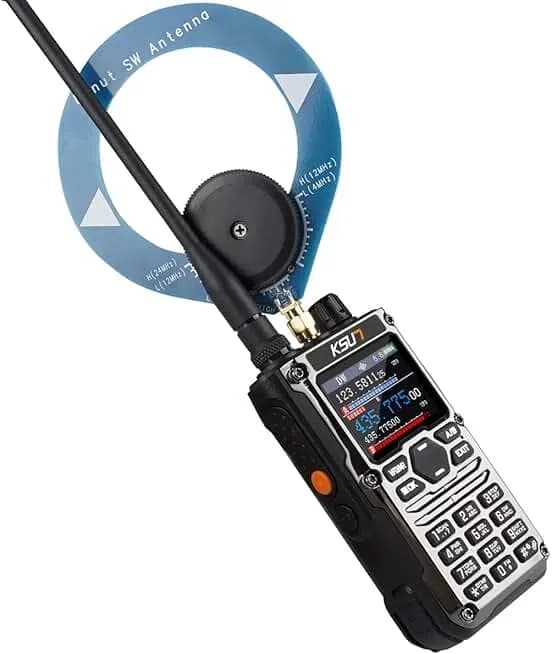
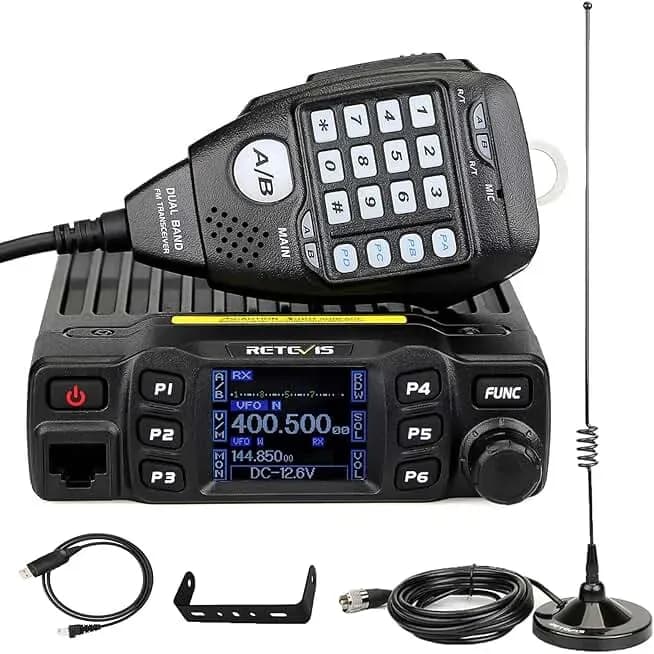
The Retevis RT95 is the clear winner here, and it's not particularly close. Both radios lack modern features like DMR, APRS, and GPS, making them fairly basic handhelds, but the RT95 scores significantly higher overall at 53 versus 20 out of 100.
The single most important differentiator is CHIRP compatibility. The RT95 supports CHIRP, the industry standard open-source programming software, which gives users complete freedom to manage frequencies and settings without proprietary limitations. The KSUN HF123D lacks this, creating a substantial usability disadvantage.
The price gap is notable but not disqualifying. At $56, the KSUN costs half as much, but the RT95's superior overall score and CHIRP support justify the additional $70 investment for anyone serious about amateur radio operations.
Buy the KSUN HF123D only if budget is your absolute constraint and you want a no-frills backup radio. The Retevis RT95 is the sensible choice for anyone planning regular use, as it offers better reliability, flexibility, and long-term value despite the higher cost. The RT95 gives you tools to manage your radio effectively rather than being locked into manufacturer software.
By use case
Which should you buy?
Absolute beginner on a tight budget
Its low price and simple analog features are perfect for initial learning.
HF123DNew operator needing digital modes (DMR)
The RT95's advanced features and CHIRP support handle modern digital modes.
Retevis RT95Portable operation for SOTA/POTA events
The KSUN's simple, lightweight analog design is ideal for field portability.
HF123DHome base station or repeater experimentation
Its higher channel count and dual-band capability support home base setups.
Retevis RT95Advanced user needing flexibility and features
The RT95 offers superior channel management and modern radio features.
Retevis RT95
Reasons to choose KSUN HF123D
- 57% cheaper ($55.80 vs $129.99)
- 5x more memory channels (960 vs 200)
Reasons to choose Retevis RT95
- Has CHIRP compatibility
- Has color TFT display
- FCC equipment authorization on file
Spec battle
Spec-by-spec breakdown
KSUN HF123DSpecRetevis RT95
$55.80
Price
$129.99
31
Overall Score
50
+61% for winner
960
Memory Channels
200
4.8× difference
4000 mAh
Battery
—
—
Display
TFT Color
Not Found
FCC Authorization
Authorized
Black
color
Black
1
unitCount
11
Black
Color
Black
3.7 Volts (DC)
Voltage
13.8 Volts
UHF
Tuner Type
Dual band
KSUN-HF123D
Model Number
RT95
Antenna
Built-In Media
1 x RT95 Mobile radio, 1 x Power cable, 1 x Handheld mic, 1 x One pack of screw and accessories, 1 x User’s manual, 1 x Magnet Mount Antenna
CB, HF, SSB, AM
Frequency Range
144-148Mhz/420-450Mhz
Two-way radios (CB, HF, SSB, AM frequencies), Headsets, Earpieces
Compatible Devices
Vehicle power supplies, microphones, external antennas, other two-way radios on the same frequency band
Noise Reduction
Additional Features
Dual Band, Dual Band Mobile Transceiver; Mobile Two Way Radio;Mobile Radio for RV Offroad 4x4, Emergency Alarm
Not Water Resistant
Water Resistance Level
Not Water Resistant
Made your choice?
KSUN HF123D
$55.80 on AmazonRetevis RT95PICK
$129.99 on AmazonMore head-to-heads