RadioRanked verdict
Updated Oct 2026Baofeng UV-25 vs Quansheng TK11
Our pick
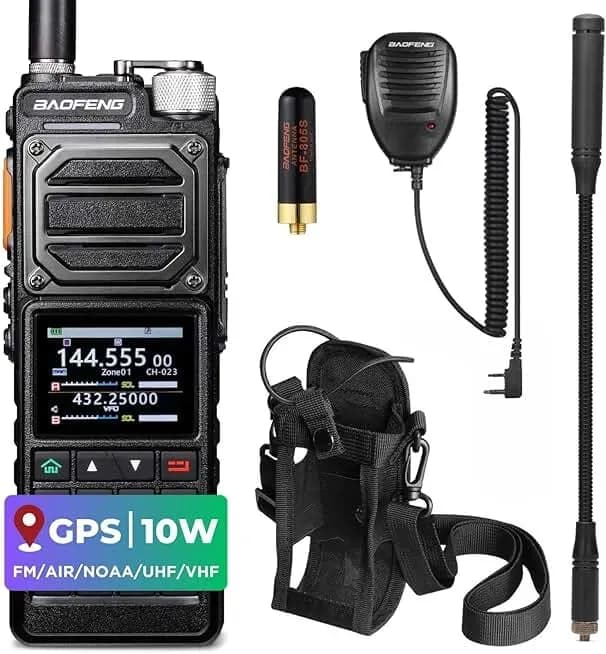
Baofeng UV-25$63.99
The Baofeng UV-25 is the clear winner here. This comparison isn't close: the UV-25 scores 76/100 versus the TK11's 26/100, a gap that reflects meaningful real-world differences.
The single most important differentiator is the UV-25's significantly higher overall quality assessment combined with its GPS capability and CHIRP compatibility. The TK11 lacks both features and trails substantially on performance metrics. While the TK11 costs nearly double, you're paying more for less.
The Baofeng UV-25 suits budget-conscious operators wanting a capable starter radio with modern conveniences like GPS and programmable firmware support. The Quansheng TK11 might appeal only to those with specific legacy system requirements or extremely tight budgets willing to accept its severe limitations.
For most amateur radio operators, the UV-25 delivers better value, functionality, and future flexibility. At fifty dollars with a respectable feature set and solid performance rating, it's the obvious choice. The TK11's poor score and feature deficit make it difficult to recommend except in rare circumstances where its specific characteristics match an unusual need.
By use case
Which should you buy?
Intermediate operator needing digital modes
Its advanced features and memory support make it suitable for modern digital operations.
UV-25Absolute beginner needing basic local comms
This radio offers simple analog functionality perfect for initial local simplex practice.
TK11Field operator needing GPS and APRS
The integrated GPS and APRS capabilities make it ideal for coordinate sharing in the field.
UV-25Budget-conscious casual user for local talks
It provides basic analog coverage at a very low price point for simple communication.
TK11Experienced operator needing multi-band coverage
The UV-25's multi-band capability and high memory count support diverse operations.
UV-25
Reasons to choose Baofeng UV-25
- 34% cheaper ($63.99 vs $96.99)
- 73% more battery (5200 mAh vs 3000 mAh)
- Has built-in GPS
- Has CHIRP compatibility
- Has color TFT display
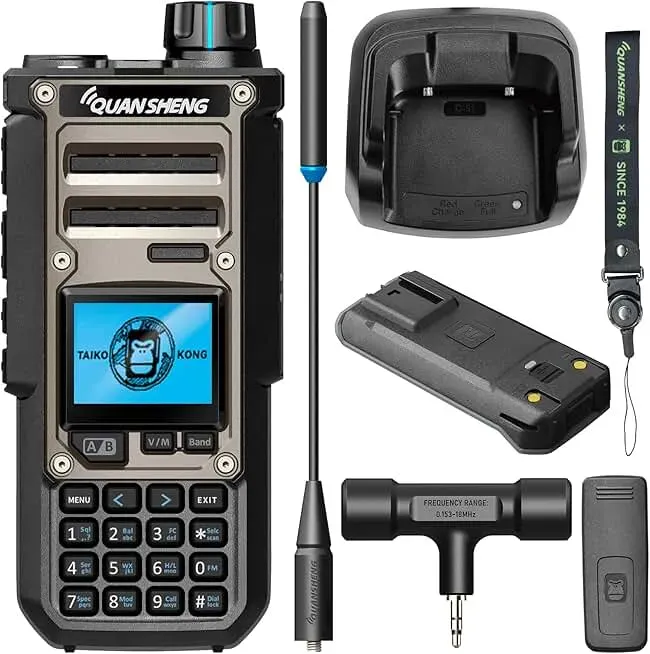
Reasons to choose Quansheng TK11
- 124g lighter (284g vs 408g)
Spec battle
Spec-by-spec breakdown
Made your choice?
Baofeng UV-25PICK
$63.99 on AmazonQuansheng TK11
$96.99 on AmazonKeep researching
Related Buying Guides
More head-to-heads