RadioRanked verdict
Updated Oct 2026Baofeng DM-32UV GPS APRS vs Quansheng TK11
Our pick
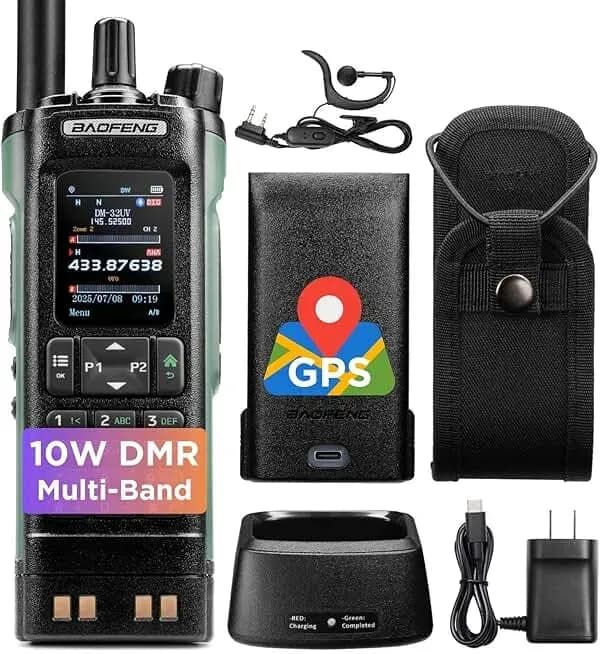
Baofeng DM-32UV GPS APRS$59.99
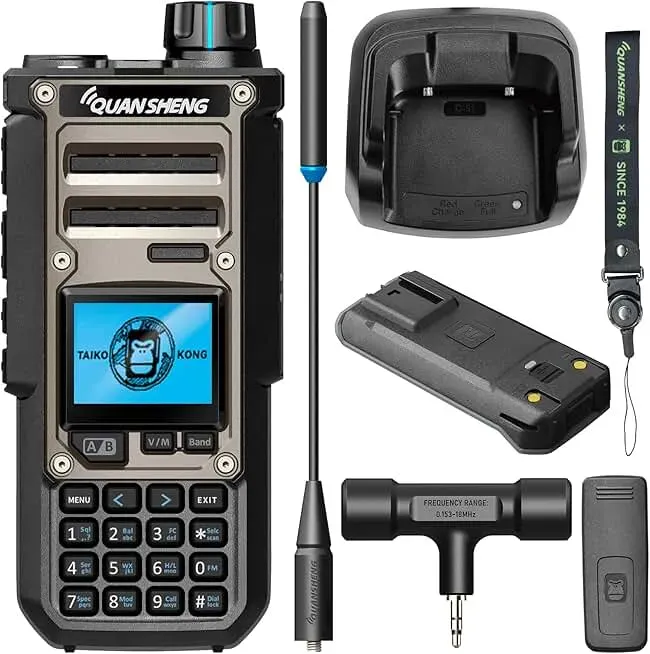
The Baofeng DM-32UV GPS APRS is the clear winner here. This is a no-brainer comparison when one radio scores 83/100 and the other scores 34/100.
The most important differentiator is feature set. The DM-32UV includes DMR digital mode, APRS, and GPS functionality—capabilities that don't exist on the TK11. These features matter for emergency response, location tracking, and modern amateur radio operations. The TK11 appears to be a basic analog-only handheld with virtually no modern capabilities.
The DM-32UV is also significantly cheaper at $60 versus $97, which makes the choice even easier. You're getting substantially more radio for considerably less money.
Buy the Baofeng DM-32UV if you want a capable, affordable entry point into digital modes and location-aware amateur radio. Buy the TK11 only if you absolutely need a radio that the Baofeng can't provide, which isn't apparent from these specifications. Given the dramatic score difference and price advantage, the DM-32UV is the recommended choice for virtually anyone shopping in this category.
By use case
Which should you buy?
Beginner wanting modern digital features
The DM-32UV offers crucial digital modes like DMR and APRS for future growth.
Baofeng DM-32UV GPS APRSExtreme budget buyer for local simplex use
The TK11 is significantly cheaper and perfect for simple analog local communication.
TK11Operator needing high feature count and value
Its extensive memory and multiple modes provide unmatched value for the price.
Baofeng DM-32UV GPS APRSCasual local communication with no digital need
If you only need basic analog talk-on-the-air, the TK11 is simpler and sufficient.
TK11Portable field use requiring GPS and APRS
The integrated GPS and APRS make the DM-32UV ideal for tracking and field operations.
Baofeng DM-32UV GPS APRS
Reasons to choose Baofeng DM-32UV GPS APRS
- 38% cheaper ($59.99 vs $96.99)
- 4x more memory channels (4,000 vs 999)
- Has DMR digital mode
- Has APRS support
- Has built-in GPS
- Has color TFT display
Reasons to choose Quansheng TK11
- 20% more battery (3000 mAh vs 2500 mAh)
- 66g lighter (284g vs 350g)
Spec battle
Spec-by-spec breakdown
Made your choice?
Baofeng DM-32UV GPS APRSPICK
$59.99 on AmazonQuansheng TK11
$96.99 on AmazonKeep researching
Related Buying Guides
More head-to-heads