RadioRanked verdict
Updated Oct 2026Quansheng UV-K1 vs Radtel RT-880G
Our pick
Radtel RT-880G$83.16
The Radtel RT-880G is the clear winner for most users, despite its higher price.
The most important differentiator is the feature set. The RT-880G includes APRS and GPS capabilities that the UV-K1 lacks entirely, making it substantially more capable for modern amateur radio applications. We don't have the UV-K1's transmit power specification, so we cannot fully compare performance on that dimension. Both radios earn identical owner ratings of 4.4 out of 5, though the RT-880G's score reflects feedback from 152 reviews versus 8 for the UV-K1, giving us more confidence in that assessment.
The UV-K1 is for users seeking the absolute minimum investment in a basic handheld radio, accepting limited features and the trade-off of unknown performance specifications. The RT-880G is for operators wanting a more complete package with GPS and APRS at a reasonable price point.
If budget is your only constraint, the UV-K1 offers entry-level access. Otherwise, the RT-880G delivers better listed specifications for the money and should be your choice.
By use case
Which should you buy?
New, budget-conscious VHF/UHF beginner
It offers ample channels and basic analog functionality at a very low price point.
UV-K1SOTA/POTA activators needing location data
The built-in GPS and APRS support are essential for logging and position reporting.
RT-880GCasual local simplex monitoring and scanning
Its simple analog design and focus on monitoring make it ideal for local use.
UV-K1Emergency preparedness and field groups
The multi-mode versatility and advanced features suit serious outdoor operations.
RT-880GOperator needing basic secondary radio backup
It provides reliable analog communication without the cost of advanced features.
UV-K1Advanced user needing digital and GPS features
The inclusion of APRS and GPS makes it far more versatile than the K1.
RT-880G
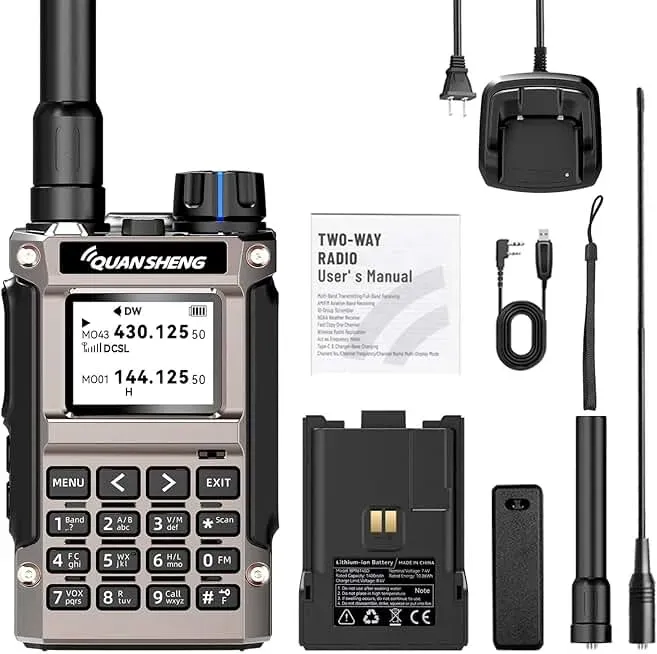
Reasons to choose Quansheng UV-K1
- 57% cheaper ($35.98 vs $83.16)
- 151g lighter (190g vs 341g)
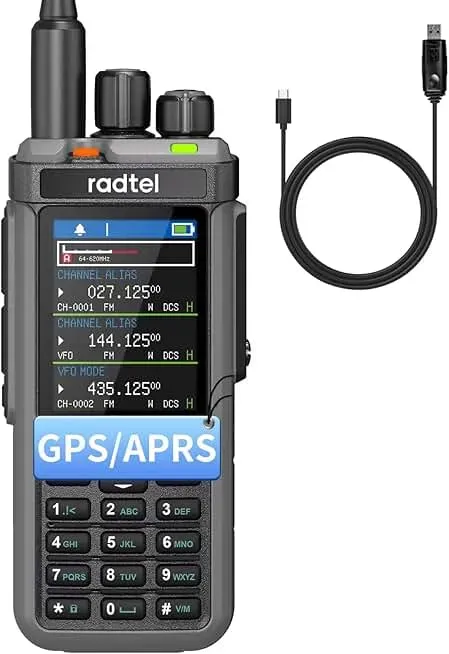
Reasons to choose Radtel RT-880G
- 5x more memory channels (1,024 vs 200)
- 71% more battery (2400 mAh vs 1400 mAh)
- Has APRS support
- Has built-in GPS
Spec battle
Spec-by-spec breakdown
Made your choice?
Quansheng UV-K1
$35.98 on AmazonRadtel RT-880GPICK
$83.16 on AmazonKeep researching
Related Buying Guides
More head-to-heads