RadioRanked verdict
Updated Oct 2026Baofeng DM-32UV GPS APRS vs Baofeng DM-32UV Pro
Our pick
Baofeng DM-32UV Pro$63.99
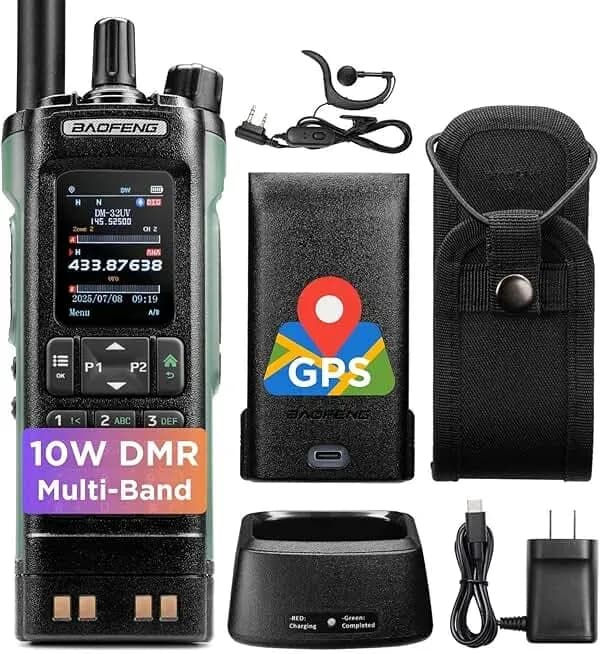
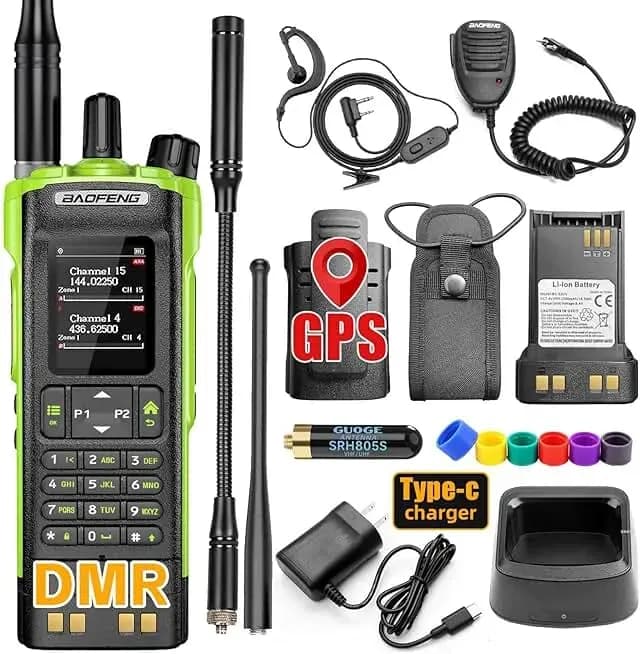
These two radios are effectively identical in specifications and price. Both offer 10W DMR capability with APRS and GPS in the same compact 350g form factor at $60. The RadioRanked scores are separated by just one point, reflecting their matched specs and pricing.
The single meaningful differentiator is owner feedback: the DM-32UV GPS APRS has earned a 4.6/5 rating from 39 reviews, while the DM-32UV Pro scores 4.4/5 from 153 reviews. The Pro's larger review pool provides a more statistically robust picture of user experience, though the GPS APRS model's slightly higher rating reflects positive early feedback from its smaller sample.
The DM-32UV GPS APRS suits buyers who want a newer option with concentrated positive user reports and don't mind limited feedback history. The DM-32UV Pro suits those prioritizing broader owner validation and are comfortable with a marginally lower but well-established rating backed by substantial user experience.
If these are your only two options, the DM-32UV Pro is the safer choice due to its larger body of owner feedback. However, if the GPS APRS model's fresher reviews and slightly higher rating appeal to you, either radio will deliver the same core feature set at the same price.
By use case
Which should you buy?
Beginner exploring DMR and APRS modes
Its higher feature count and better beginner score make it ideal for initial digital ops.
Baofeng DM-32UV GPS APRSBudget-conscious hobbyist needing basic digital features
The Pro model is slightly cheaper and still offers core DMR/APRS functionality.
Baofeng DM-32UV ProExperienced operator needing maximum features
The superior feature set and higher overall score suit advanced collection needs.
Baofeng DM-32UV GPS APRSGeneral utility for field and public service use
Its combination of GPS and high features makes it versatile for varied field operations.
Baofeng DM-32UV GPS APRSUser prioritizing simple setup and core functionality
The Pro model is designed for general utility, suggesting a simpler, more focused experience.
Baofeng DM-32UV Pro
Reasons to choose Baofeng DM-32UV GPS APRS
- 6% cheaper ($59.99 vs $63.99)
- Has color TFT display
Reasons to choose Baofeng DM-32UV Pro
- Has Bluetooth
- IP67 water resistance
Spec battle
Spec-by-spec breakdown
Made your choice?
Baofeng DM-32UV GPS APRS
$59.99 on AmazonBaofeng DM-32UV ProPICK
$63.99 on AmazonKeep researching
Related Buying Guides
More head-to-heads