RadioRanked verdict
Updated Aug 2026AnyTone AT-D878UV vs Quansheng TK11
Our pick
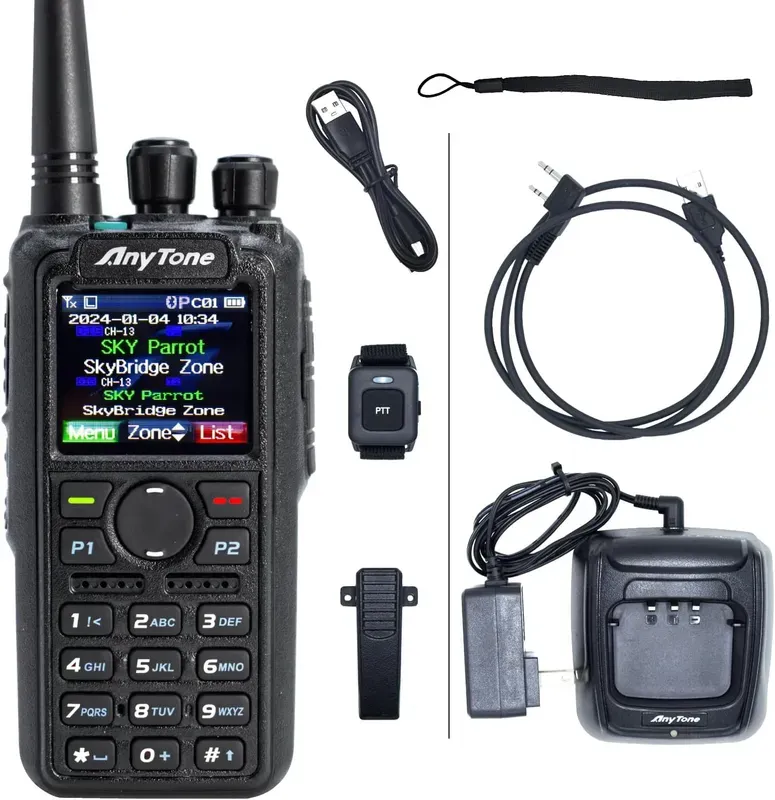
AnyTone AT-D878UV$249.99
The AnyTone AT-D878UV is the clear winner for anyone serious about amateur radio, though the choice depends entirely on your budget and feature requirements.
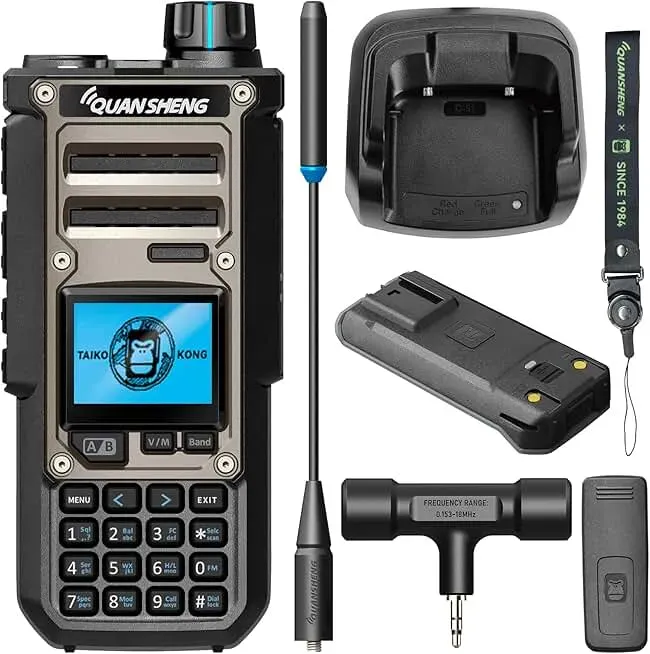
The single most important differentiator is feature set. The AT-D878UV delivers DMR digital capability, APRS positioning, and GPS functionality at 7 watts of power, making it a genuine multimode radio. The Quansheng TK11 is a basic analog-only radio with unknown specifications and a drastically lower overall score of 34 versus 85.
The AT-D878UV suits operators who want modern digital modes, emergency positioning, and reliable performance for around $250. The TK11 might appeal only to someone with an extremely tight budget who just needs the most basic analog simplex or repeater capability, though its incomplete specs and low score raise reliability concerns.
For nearly any amateur radio use case beyond rock-bottom budget constraints, invest in the AnyTone. It's more than twice the price but delivers substantially more capability, better build quality, and access to growing DMR networks. The AT-D878UV represents genuine value for the features offered, while the TK11 feels like cutting corners on a radio you'll use daily.
By use case
Which should you buy?
Enthusiast needing DMR and APRS
The AT-D878UV supports advanced digital modes and comprehensive features.
AT-D878UVFirst-time licensee on a tight budget
The Quansheng TK11 offers basic analog functionality at a very low price point.
TK11Portable operations needing reliability
Its higher power and advanced features make it suitable for serious field use.
AT-D878UVCasual local simplex communication
This radio is perfect for simple, analog talking without needing complex features.
TK11Operator needing memory and features
The large channel memory and feature set provide significant operational flexibility.
AT-D878UV
Reasons to choose AnyTone AT-D878UV
- 4x more memory channels (4,000 vs 999)
- 3% more battery (3100 mAh vs 3000 mAh)
- 4g lighter (280g vs 284g)
- Has DMR digital mode
- Has APRS support
- Has built-in GPS
- Has Bluetooth
- Has color TFT display
- IP54 water resistance
Reasons to choose Quansheng TK11
- 61% cheaper ($96.99 vs $249.99)
Spec battle
Spec-by-spec breakdown
Made your choice?
AnyTone AT-D878UVPICK
$249.99 on AmazonQuansheng TK11
$96.99 on AmazonKeep researching
Related Buying Guides
More head-to-heads