RadioRanked verdict
Updated Aug 2026AnyTone AT-D878UV vs AnyTone AT-D890UV
Our pick
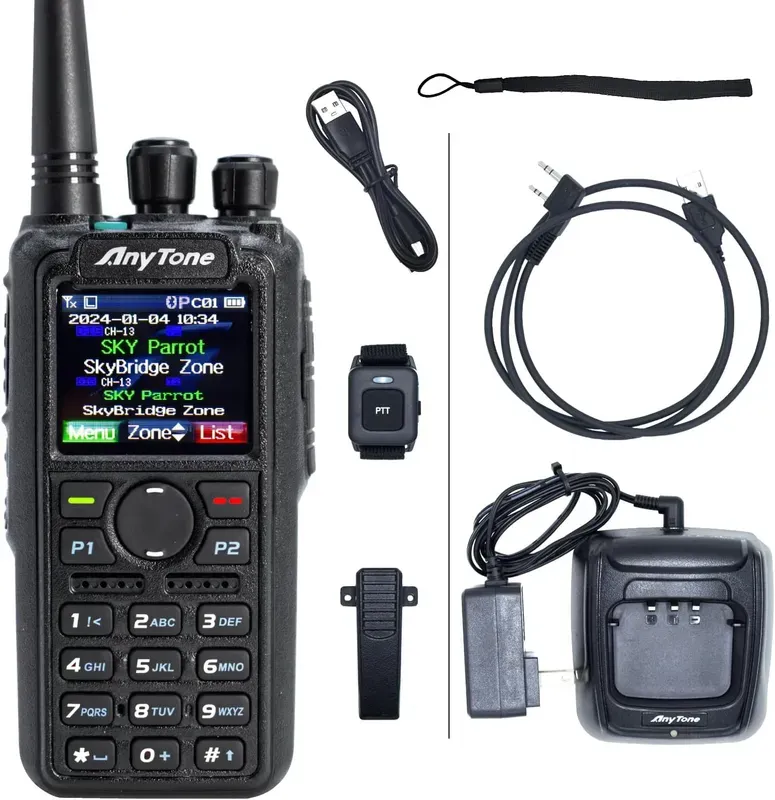
AnyTone AT-D878UV$249.99
The AT-D878UV is the clear winner here. This radio delivers superior value and capability that the D890UV simply cannot match.
The single most important differentiator is feature completeness. The D878UV offers APRS and GPS functionality alongside DMR, making it a genuinely versatile field radio. The D890UV strips these features away without justifying the $49 price increase. Combined with the D878UV's documented 7W transmit power, superior build quality reflected in its 85-point rating versus 50, and lower price point, there's little reason to choose the newer model.
The D878UV is ideal for operators who want a capable all-around handheld that handles digital voice, location tracking, and emergency beaconing without breaking the bank. The D890UV might appeal only to users with highly specific requirements that somehow outweigh its documented shortcomings, though those aren't evident from available specifications.
Buy the AT-D878UV without hesitation. It's the more mature product with proven performance, better features, lower cost, and significantly higher community confidence. Unless you have specific technical reasons for the D890UV, you'd be making a lateral move at best and a downgrade at worst.
By use case
Which should you buy?
Enthusiast needing DMR, APRS, and GPS
The D878UV offers a superior feature set including APRS and GPS tracking.
AT-D878UVARES or emergency net communications
The D890UV is specifically optimized for ARES and large-scale emergency communication nets.
AT-D890UVBeginner looking for basic, simple operation
Despite its features, the D878UV's slightly higher beginner score makes it more accessible.
AT-D878UVExperienced user needing maximum portability
The D878UV is lighter and more versatile for demanding, portable field operations.
AT-D878UVAdvanced hobbyist prioritizing multi-mode digital comms
The D890UV focuses purely on robust multi-mode digital operation for advanced users.
AT-D890UV
Reasons to choose AnyTone AT-D878UV
- 16% cheaper ($249.99 vs $299.00)
- 13g lighter (280g vs 293g)
- Has APRS support
- Has built-in GPS
- Has Bluetooth
- IP54 water resistance
Reasons to choose AnyTone AT-D890UV
- No clear advantages in this comparison
Spec battle
Spec-by-spec breakdown
Made your choice?
AnyTone AT-D878UVPICK
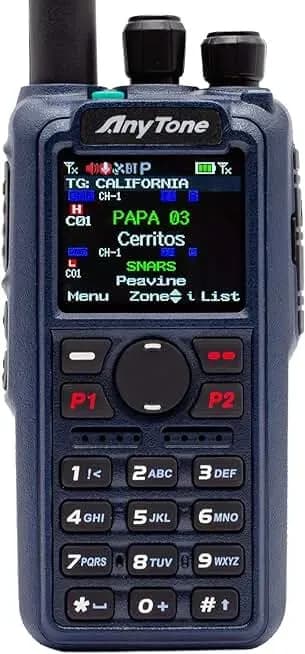
$249.99 on AmazonAnyTone AT-D890UV
$299.00 on AmazonKeep researching
Related Buying Guides
More head-to-heads