RR VerdictUpdated May 2026
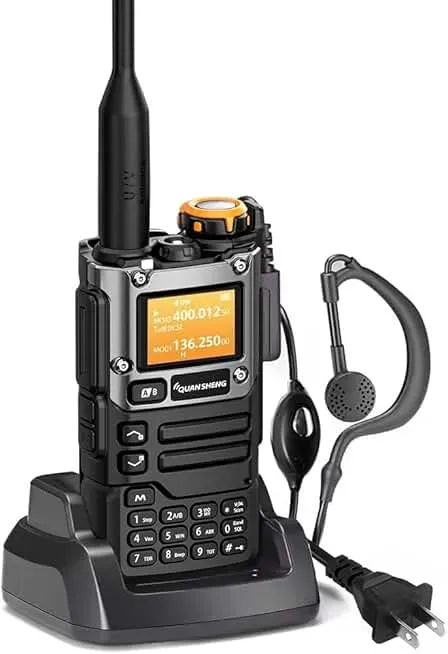
Quansheng UV-K5(8) 5W Ham Radio Handheld vs TYT TH-UV88
Radio A is the clear winner here. Both radios are entry-level handhelds with identical transmit power and missing the same advanced features like DMR, APRS, and GPS. However, Radio A edges out Radio B with a higher overall score of 60 versus 54, while costing nine dollars less at $31 compared to $40.
The single most important differentiator is price. Radio B's only technical advantage is CHIRP compatibility for easier programming, but this marginal benefit does not justify the higher cost or lower overall rating. For budget-conscious newcomers to the hobby, Radio A delivers better value and appears to be the more capable radio based on the composite scoring.
Radio A is ideal for beginners wanting to explore VHF/UHF without spending much money. Radio B makes sense only if you heavily prioritize CHIRP compatibility and don't mind paying extra for reduced functionality elsewhere.
Get Radio A. The price advantage combined with its superior score makes it the rational choice for nearly every scenario. Unless you have a specific workflow requiring CHIRP, there's no compelling reason to pay more for inferior performance.

By use case
Which should you buy?
Absolute beginner on a tight budget
Its lower price point makes it ideal for a first radio purchase.
Quansheng UV-K5(8) 5W Ham Radio HandheldMonitoring repeaters with digital modes
The CHIRP feature allows for necessary digital mode flexibility.
TH-UV88Field monitor or loaner radio
It is explicitly designed for monitoring and testing purposes.
Quansheng UV-K5(8) 5W Ham Radio HandheldCasual repeater monitoring and backup
Its slightly higher beginner score and CHIRP feature are beneficial.
TH-UV88Operator needing wideband reception
The radio is noted for its ability to handle wideband reception.
Quansheng UV-K5(8) 5W Ham Radio Handheld
Reasons to choose Quansheng UV-K5(8) 5W Ham Radio Handheld
- 23% cheaper ($30.99 vs $39.99)
Reasons to choose TYT TH-UV88
- Has CHIRP compatibility
- FCC equipment authorization on file
Spec-by-spec breakdown
Quansheng UV-K5(8) 5W Ham Radio HandheldSpecTYT TH-UV88
$30.99
Price
$39.99
60
Overall Score
57
+5% for winner
5.00W
TX Power (High)
5.00W
200
Memory Channels
200
—
Battery
1400 mAh
LCD
Display
LCD
Not Found
FCC Authorization
Authorized
1
unitCount
1
7.1 Volts
Voltage
7.4 Volts
UV-K5(8)
Model Number
TH-UV88
Earphones, Type-C charging devices
Compatible Devices
CHIRP software, TYT radios (VHF/UHF)
Dual Band
Additional Features
Dual Band
Not Water Resistant
Water Resistance Level
Not Water Resistant
Made your choice?
Quansheng UV-K5(8) 5W Ham Radio HandheldPICK
$30.99 on AmazonTYT TH-UV88
$39.99 on Amazon