RadioRanked verdict
Updated Oct 2026Baofeng UV-21R vs Baofeng UV-7B
Our pick
Baofeng UV-21R$26.99
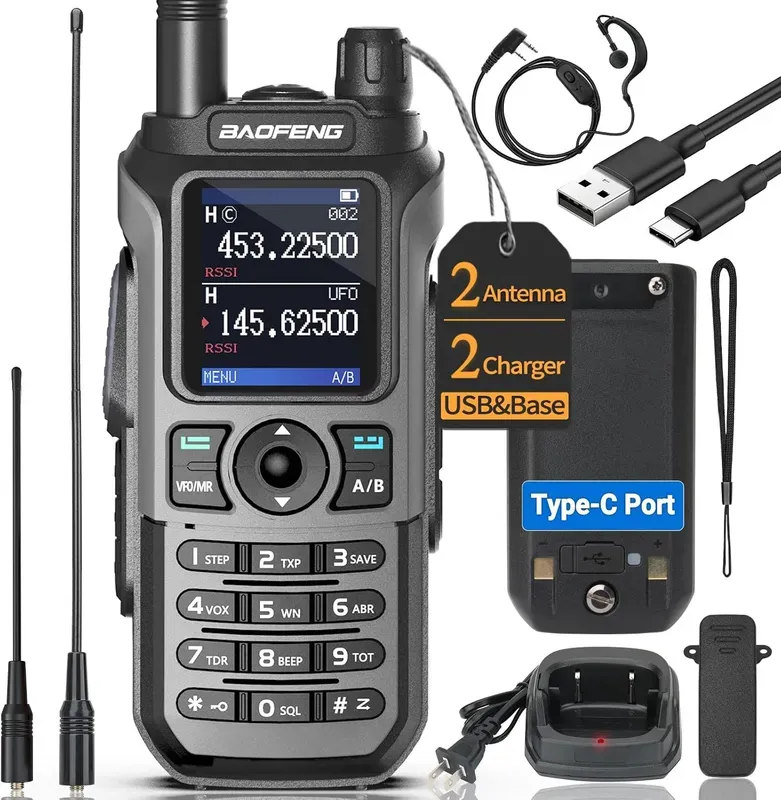
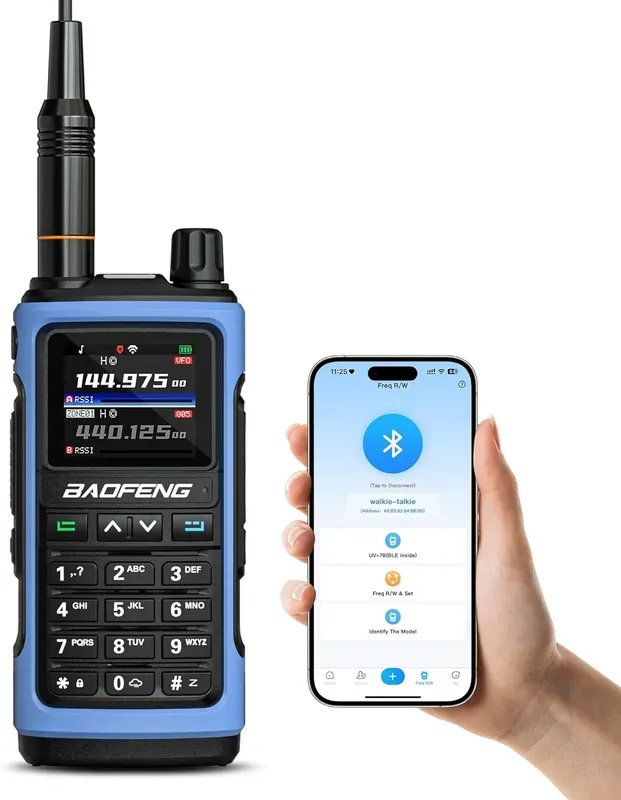
These two budget handhelds are effectively matched on price and core features, making this a close call. Both offer CHIRP compatibility and cost $27, with identical feature sets lacking DMR, APRS, and GPS. The UV-21R specifies 6W transmit power while the UV-7B's power output is unknown, so we lack complete data for direct comparison. The UV-21R weighs 300g versus the UV-7B's lighter 260g, though the difference is modest. The UV-21R lists an IP54 rating while the UV-7B has no published rating. On owner feedback, the UV-21R slightly leads with 4.5 out of 5 stars from 775 Amazon reviews compared to the UV-7B's 4.4 out of 5 from 98 reviews. The UV-21R benefits from substantially more user feedback, which provides greater confidence in what owners actually report about their experience.
The single most important differentiator is the review volume. The UV-21R's much larger review count gives you clearer insight into real-world owner satisfaction.
Choose the UV-21R if you want stronger owner feedback and weather resistance. Choose the UV-7B if you prefer lighter weight and don't mind the missing specifications.
The UV-21R is the better choice here based on superior owner data.
By use case
Which should you buy?
First-time licensed operator starting out
The UV-21R's higher RR score and better beginner rating make it a solid starting point.
UV-21R 6W Tri-BandBudget-conscious field use or backup radio
The UV-7B is marginally lighter and offers Bluetooth connectivity for a similar low price.
UV-7BOperator needing reliable local repeater access
The 21R's slightly higher TX power and better feature set are beneficial for local repeater work.
UV-21R 6W Tri-BandTechnician needing a loaner or secondary unit
The UV-7B's simple design and lower portability score make it ideal for a secondary or loaner radio.
UV-7BPortable operations requiring basic VHF/UHF
The 21R has a slightly better overall balance of features and portability for field use.
UV-21R 6W Tri-Band
Reasons to choose Baofeng UV-21R
- 10% cheaper ($26.99 vs $29.99)
- IP54 water resistance
- FCC equipment authorization on file
Reasons to choose Baofeng UV-7B
- 0% more memory channels (1,000 vs 999)
- 40g lighter (260g vs 300g)
- Has Bluetooth
Spec battle
Spec-by-spec breakdown
Made your choice?
Baofeng UV-21RPICK
$26.99 on AmazonBaofeng UV-7B
$29.99 on AmazonKeep researching
Related Buying Guides
More head-to-heads